UK says tokenized markets could unlock £33B economic boost by 2035
The UK could unlock a £33 billion economic boost by 2035 according to a government-commissioned report calling for stablecoin-enabled settlement.


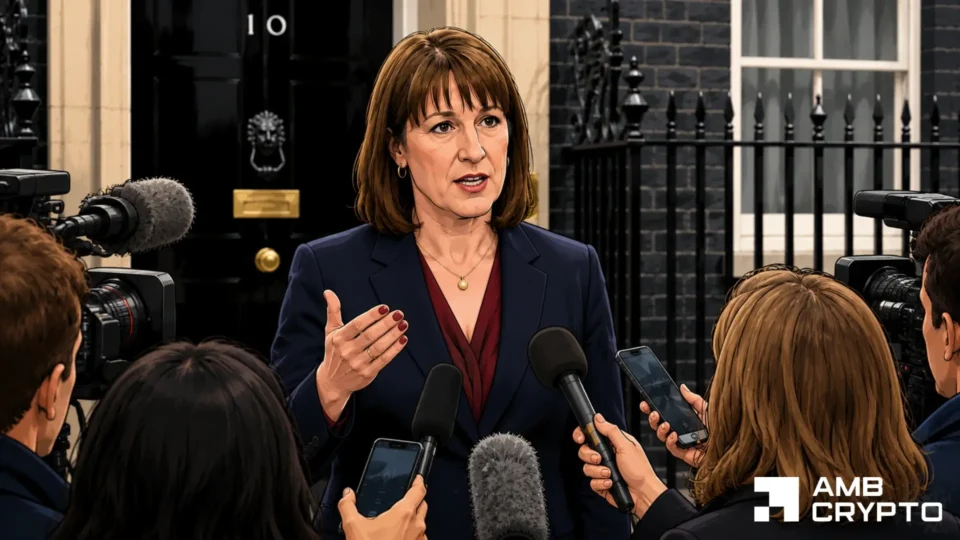
The UK could generate up to £33 billion in additional annual economic output by 2035 if it becomes a global leader in tokenized wholesale financial markets, according to a government-commissioned report delivered to Chancellor Rachel Reeves.
The report, prepared by the UK’s Wholesale Digital Markets Champion, Christopher Woolard CBE, argues that tokenization has moved beyond experimentation.
It now requires coordinated action from government, regulators and the private sector to secure the UK’s position in the next generation of financial markets.
Report outlines roadmap for tokenized financial markets
The report estimates that a successful tokenization strategy could also generate around £14 billion in additional annual tax revenues by 2035. Also, it will strengthen London’s competitiveness as a global financial centre.
It argues that wholesale digital markets represent one of the biggest opportunities to modernize financial infrastructure, improve efficiency and attract investment.
To achieve that goal, the report recommends accelerating several initiatives. This includes launching the Digital Infrastructure and Government Tokenisation [DIGIT] pilot by the first quarter of 2027. It will expand tokenized collateral and repo markets, support tokenized investment funds and create common technical standards across the industry.
The report also calls for greater legal certainty around digital assets and a technology-neutral regulatory and tax framework to encourage wider institutional adoption.
Stablecoins and tokenized deposits feature prominently
A central theme of the report is the role of digital settlement assets in wholesale financial markets.
It recommends developing a domestic ecosystem that supports settlement using stablecoins, tokenized commercial bank deposits and, where appropriate, central bank money.
The report also notes that participants in the Digital Securities Sandbox can already seek approval to use certain stablecoins for settlement. This reflects growing regulatory acceptance of digital payment infrastructure.
According to the report, establishing interoperable settlement mechanisms will be critical to scaling tokenized securities and other real-world assets across financial markets. It argues that tokenized assets, digital cash and supporting infrastructure should evolve together rather than as separate initiatives.
UK urged to move quickly amid global competition
The report warns that the UK risks falling behind other financial centres if it fails to accelerate implementation.
It points to growing international activity in tokenized finance, highlighting projects involving institutions including HSBC, Standard Chartered, Archax, BlackRock and Ripple as evidence that the market is rapidly maturing.
The report estimates that tokenized real-world assets could reach $88 trillion by 2035, surpassing today’s digital asset market.
It concludes that decisive action over the coming years will determine whether the UK becomes a global hub for wholesale digital markets or cedes leadership to competing jurisdictions.
Final Summary
- A government-commissioned report says tokenized wholesale financial markets could add up to £33 billion to the UK economy.
- The roadmap calls for faster deployment of tokenized market infrastructure, including the DIGIT pilot.