TRON activates Ethereum-compatible upgrade with passkey support
TRON’s Proposal 107 is now active, bringing Ethereum Prague and Osaka features to the network alongside more efficient passkey verification.


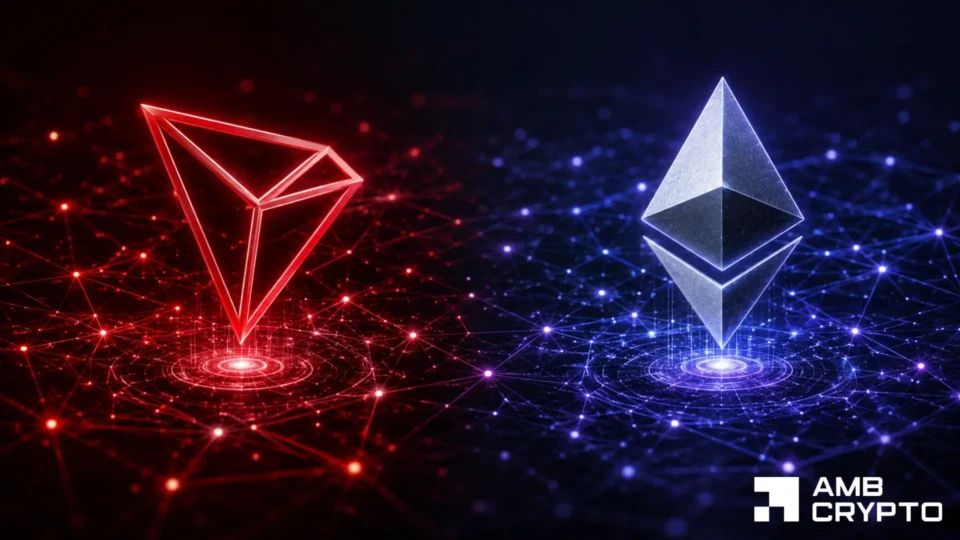
TRON has activated a network upgrade designed to make Ethereum applications easier to bring onto its blockchain.
Proposal 107 received 25 approvals before taking effect on August 28, with the changes providing the groundwork for wallets that use passkeys instead of conventional passwords.
Ethereum applications face fewer barriers
The upgrade introduces features from Ethereum’s Prague and Osaka updates to the TRON Virtual Machine, which runs applications on the network.
Now developers have less of the software to change to allow an application to move from one network [such as Ethereum] to the others [such as TRON].
TRON developers had to adjust for newer Ethereum tools, meaning errors or older settings for dApps in the TRON ecosystem.
The proposal brings the two environments closer together, and make TRON more attractive to teams that already build Ethereum applications.
Further to this, the upgrade will enable an application to look further back into the blockchain to verify transactions previously made, helping services where earlier transactions need to be confirmed and rely less on data providers.
How passkeys could make TRON wallets easier to use
Instead of remembering passwords, users can sign in to applications using the security features built into phones or computers. These features depend on the computer being used but include fingerprints, a scan of the user’s face or a PIN.
The new capability makes it cheaper for TRON applications to verify signatures created through systems such as Apple Secure Enclave and Android Keystore. Wallets that offer a more familiar sign-in experience could get more support without users personally managing every security step.
But passkeys have not suddenly just appeared across existing TRON wallets. The upgrade provides the underlying support, while wallet and application developers must decide how to use it.
Similarly, the cost of some expensive security computations is lowered in proposal 107, but the extent of savings will depend heavily on the way in which particular applications are compiled.
TRON’s governance record shows that the upgrade is now active.
Final Summary
- Proposal 107 passed with 25 approvals and activated on August 28.
- The upgrade makes Ethereum applications easier to adapt and allows some other key features.