Top 12 NFT games of September 2026

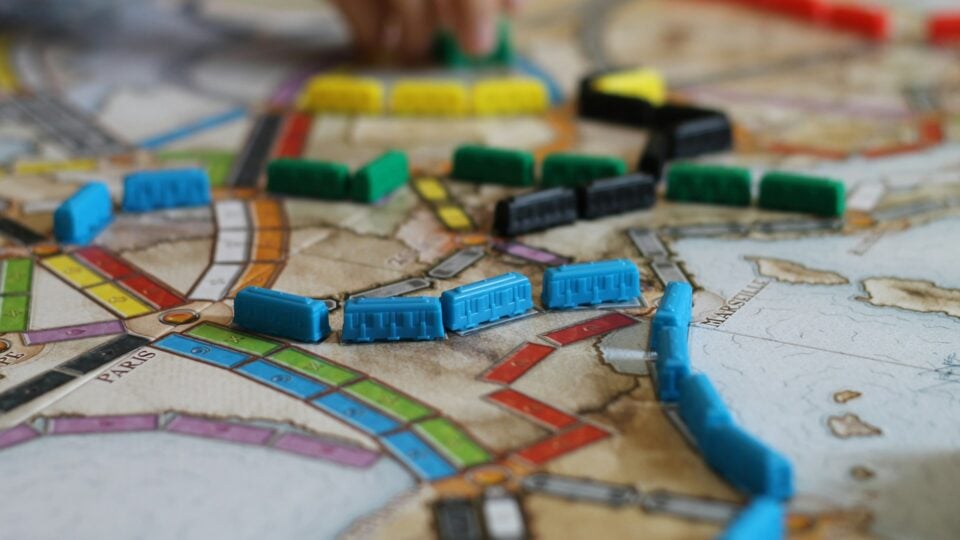
NFT games bring together the best of blockchain technology and interactive gaming, letting users own, trade, and monetize assets. NFTs started out as digital collectibles for digital art pieces, virtual assets, and avatars. They have diversified into other use cases beyond speculation, into more utility-driven ecosystems.
In the gaming ecosystem, players can now own in-game assets that exist independently of centralized servers. They can also have real value through their time, skill, and creative contributions through the integration of play-to-earn or own-to-play models.
Here are our picks for the top 12 NFT games in the month of September 2026:
1. Pixels
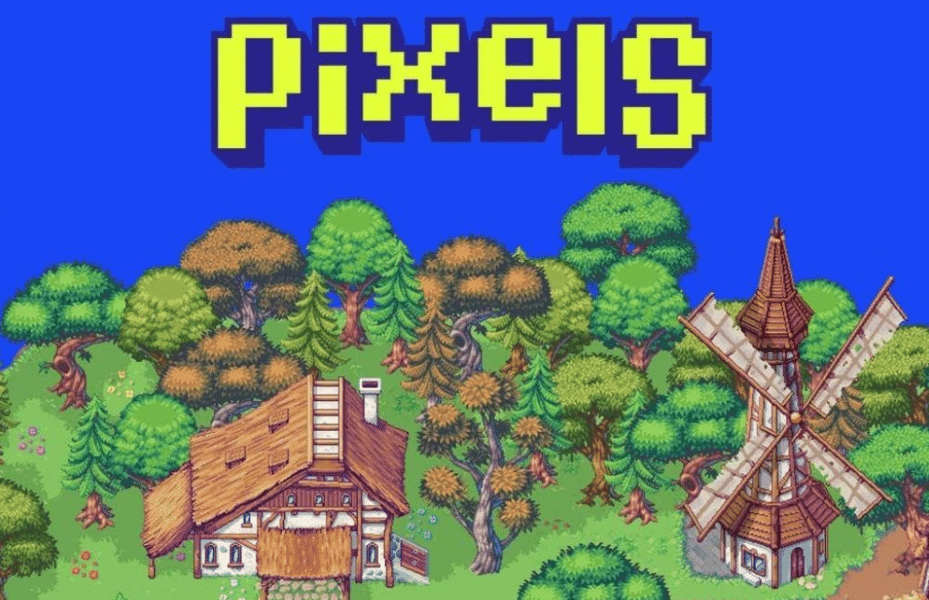
A free-to-play game built on the Ronin network, Pixels lets players collect, breed, and manage their game avatars known as Pixelmons. The game is inspired by Stardew Valley and other farming and simulation-style games and lets players plant seeds, water crops, and harvest items. They can also master various skills like cooking, woodcutting, forestry, and mining.
PIXEL token is part of the game economy, and users can earn it through quests or orders, while players can also trade items through the marketplace. Players can also monetize their progress by making rare discoveries, selling crafted goods, and selling agricultural products on the marketplace.
2. Blast Royale

Blast Royale is a free-to-play, fast-paced game where players can create squads with friends and compete against other clans. It is a PvP game where the last survivor wins the game. Characters can be customized with various weapons and equipment and participate in 6-minute matches with up to 48 players. The drop zones, items, and weapons can all be chosen with the aim of outlasting all opponents.
Players can play in duo, squad, solo, and custom games and seasonal tournaments. They can own digital gear like weapons, helmets, melees and shields.
3. Decentraland
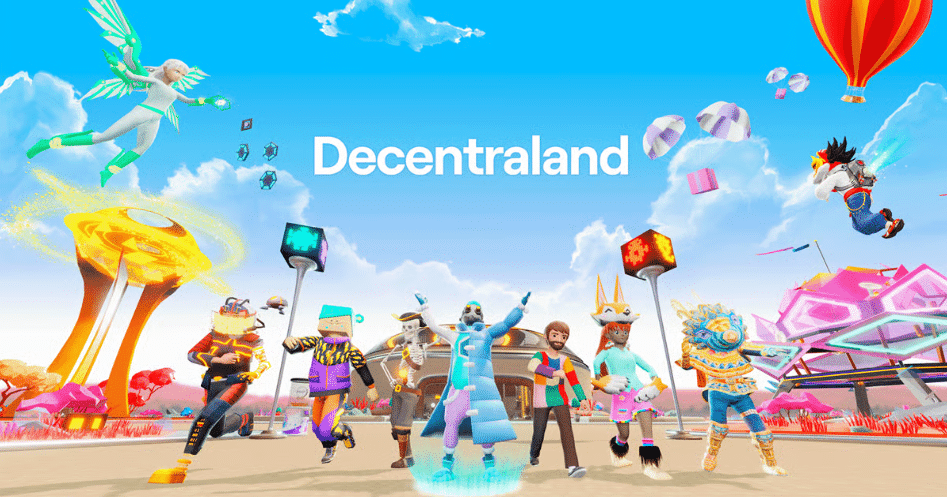
Decentraland is a little different from other games on this list; it offers a wider ecosystem where players can create, explore, and monetize experiences. Built on Ethereum, the game revolves around digital land ownership. The native token is called MANA and is useful for facilitating in-game purchases, governance, and trade.
Players can build interactive spaces like art galleries, games, and businesses. They can generate income through renting land, hosting events, and selling digital goods. New users can roam the open world and participate in quests, while experienced players can customize scene building, scripting, and decentralized app creation.
4. Gods Unchained

A digital card game where users can build decks of different gods, each with their own abilities, and battle opponents in turn-based matches. The card combinations, resource management, and timings are all important in this case. Gods Unchained is a free-to-play game where new players get a set of cards when they start, so they do not have to buy any NFTs.
Every match challenges players to think, combine gods and creatures, and strategize so they can win. Players can choose from gods of different domains like Light, War, Magic, and Deception, with every god offering unique powers and playstyles.
5. Splinterlands

Splinterlands is a trading card game where players can participate in fast-paced card battles. They can build decks and compete in short battles, and every card that exists is an NFT. Every card belongs to one of the several elements known as Splinters and has its own stats and abilities.
Battles are automated, but there is a lot of strategy involved before they start. Players need to work while keeping in mind the match rules when choosing cards. Rewards can be earned through ranked matches, tournaments, and daily quests, with Dark Energy Crystals (DEC) serving as a reward token.
6. Undeads Games
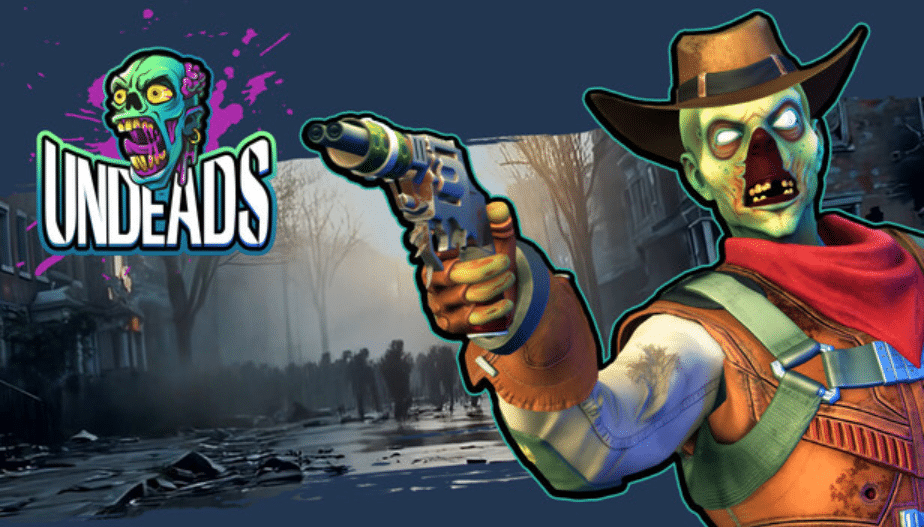
Players can go on an adventurous journey through the world of Undeads and find weapons, armor, supplies, and medicine. Undeads also lets them sell their loot, fight battles, and hunt or survive hunts. All this is set against the backdrop of the zombie apocalypse of 2035.
All players get to choose to either be human or zombies at the start of a match and are ranked and rewarded depending on their performance with in-game currency. Characters, weapons, buildings, and land plots are all tradable assets, while systems like zombie breeding add another layer of strategy and progression beyond standard combat and resource grinding.
7. Aliens Worlds

Aliens Worlds is set across 6 different planets and combines mining, exploration, and governance systems into a larger blockchain economy that is built around the game’s main resource called Trilium. Starting out with basic mining tools, players work their way up to improve their equipment, claim land, and increase their TLM earnings.
Every planet works independently and lets players vote on governance decisions or run for positions within planetary councils using TLM tokens that are staked. There are also options for PvP combat, community-built mini-games, and spaceship missions.
8. My DeFi Pet

A pet-themed blockchain game combining elements of digital pet collection, breeding, and battling, My DeFi Pet has DeFi mechanics. A variety of players collect, breed, and evolve a variety of digital pets, each with unique traits and appearances. The pets can be trained and enhanced in battles against other players in turn-based matchups.
DPET is the native token used for breeding, buying new pets, crafting items and taking part in events. The token can be earned through battles, selling rare pets in the marketplace, staking, or engaging in in-game DeFi activities such as liquidity pools and lending protocols.
9. The Sandbox

The Sandbox focuses on player ownership instead of following a traditional game structure. It works like a virtual world where players can buy LAND NFTs and build experiences on them and monetize what they create. It can be played as a game or as a digital real estate or a creative platform.
It has a creator-focused economy where players can use tools like VoxEdit and Game Maker to design their own assets, mini-games, and interactive experiences without needing any advanced development skills.
10. RavenQuest

RavenQuest is an MMORPG game that was created after the success of Ravendawn. Users can mix and match their abilities from 8 different archetypes and shape their characters as they want, this includes Holy, Warfare, Protection, Spiritul, Archery, Witchcraft, Wizardry and Shadow.
Players can indulge in epic battles with their guild and master skill-based systems for legendary items.
11. Sharpnel

A competitive shooter game for players who can showcase their skills and performance and it directly affects the items they receive after every match. Sharpnel has fast, tactical combat with weapons, gear and cosmetic items that are the main focus of the entire experience.
The platform prioritizes true digital ownership of in-game assets, including cosmetic and playable operators. Users can level up their operator to unlock and select different perks to make it truly unique and customize their playstyle.
12. Big Time

Big Time is a MMORPG game that combines hack-and-slash combat with dungeon raids, crafting and loot collection. Users still get a chance to earn tokens and NFT drops. It is free to play and gives users a chance to create their own metaverse and utilize their workshops.
They also use procedural generation to create engaging and new experiences in every battle. Players also have an option to allow players to change character classes during gameplay.
Final word
NFT games give both users and deveopers a place to test new ideas around progression and player-driven economies. The space itself is very different now from before and a lot of new titles are putting in more effort into gameplay, community, and long term worlds while the blockchain systems are being user more naturally in the back ground for tradable items, lands and player ownership.
For players it is important to understand how a game actually works and decide whether they should play it or not.
Disclaimer. Readers are encouraged to do their own research. Ambcrypto is not liable for any outcomes related to the use of information, products, or services mentioned. This content may include affiliate or partner links.