How FDIC’s new stablecoin plan can change crypto transfers forever
Banks wants the GENIUS Act implementation process slowed.


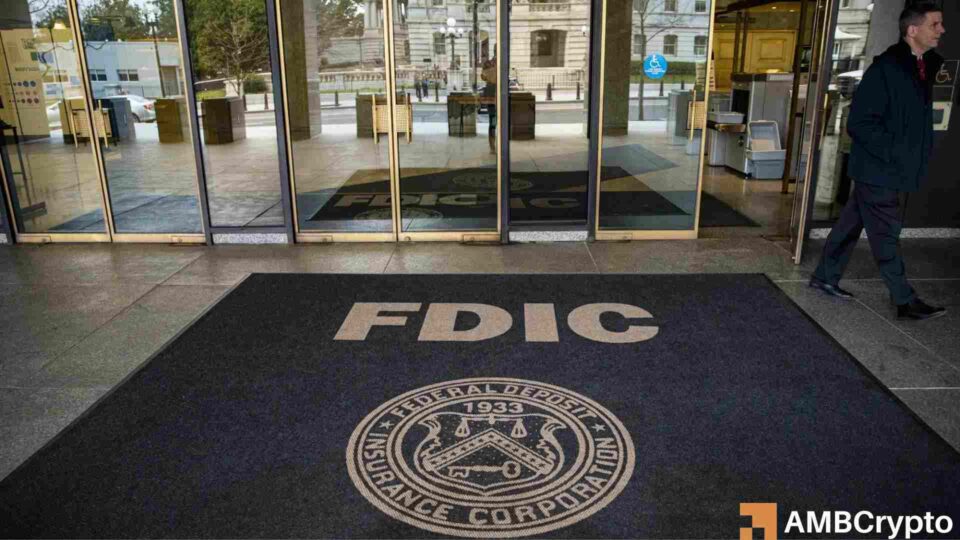
The U.S. Federal Deposit Insurance Corporation (FDIC) has proposed a new rule to establish a Bank Secrecy Act and sanctions compliance framework for stablecoin issuers.
According to the FDIC’s statement on Friday, the new rule will require issuers to have a strict program for anti-money laundering and countering the financing of terrorism (AML/CFT).
Additionally, the issuers will be used to enforce U.S. economic sanctions and fulfill standard reporting requirements. Besides, other provisions by FinCEN and OFAC, like senders’ and receivers’ IDs of stablecoin transfers, are covered by the new rule.
It’s worth pointing out that players like Tether recently helped the U.S. Treasury to freeze $344 million of crypto funds allegedly linked to Iran’s government.
Since both USDT and USDC have backdoor freezing features, the new proposal seeks to formalize their use (particularly for U.S.-based issuers) as an economic sanction tool.
Race to implement GENIUS Act for stablecoin issuers
The GENIUS Act, a stablecoin law passed last year, instructs financial agencies to implement regulations for issuers. The FDIC’s sanctions proposal is the third rule the agency has issued after last December’s license application criteria and April’s prudential framework rules.
The latest proposal is open for public feedback for the next 60 days, after which the FDIC is expected to issue a formal rule-making.
The U.S. Treasury, OFAC, OCC, NCUA, and others have also issued proposed rules for GENIUS Act implementations ahead of the July 18th deadline.
So far, only seven proposed rules for the GENIUS Act have been issued. Out of these, only three have closed public comment windows. However, no proposed rules have been finalized into a formal guideline, with only 55 days left to the deadline.

Besides, there have been calls by banks to delay the rulemaking process. The banking lobby raised concerns over the OCC granting crypto firms national trust charter licenses and access to Federal Reserve payment systems.
On this backdrop, whether the implementation will happen by mid-July remains unclear. However, key players are actively positioning themselves to benefit from the upcoming clear rules for the segment.
Notably, Fidelity, JPMorgan, U.S. Bancorp, and others are rolling out tokenized money funds specifically targeting stablecoin reserves to ensure instant liquidity while earning yield on the balance.
Final Summary
- FDIC has proposed a sanctions compliance standard rule, marking its third proposal aimed at implementing the GENIUS Act.
- With less than two months left to the GENIUS Act implementation deadline, the banks want the rulemaking process to be slowed.