LayerZero [ZRO] is the native governance and utility token of the LayerZero protocol, an omnichain interoperability solution designed to enable seamless communication between different blockchain networks.
Unlike traditional bridging systems that rely on wrapped assets or centralized intermediaries, LayerZero introduces a lightweight messaging protocol that allows blockchains to communicate directly in a secure and trust-minimized manner. Such architecture enables decentralized applications to operate across multiple chains without sacrificing composability or security, positioning LayerZero as a foundational infrastructure layer within the multichain ecosystem.
The ZRO token officially launched in June 2024 through a widely publicized airdrop. Instead of a standard free distribution, the project introduced a unique ‘proof‑of‑donation’ model. To claim tokens, users were required to contribute a small amount to public goods initiatives.
This mechanism aligned token distribution with broader ecosystem values, encouraging participation while supporting public infrastructure. The launch attracted significant attention, with over 1.28 million users participating in the airdrop, marking one of the largest community onboarding events within the interoperability space.
From a tokenomics perspective, ZRO has a capped supply of 1 billion tokens, with about 252 million currently in circulation. A structured vesting schedule governs the release of tokens allocated to early contributors, strategic partners, and core developers. This controlled distribution model helps mitigate sudden supply shocks while supporting long‑term ecosystem growth.
Governance remains a central function of the token. Holders can vote on protocol upgrades, integration decisions, and key economic parameters. Notably, one major proposal involves activating a ‘fee switch’ mechanism. This could redirect protocol fees to token holders or introduce burn dynamics, potentially strengthening value capture over time.
LayerZero’s ecosystem continues to expand through integrations across more than 150 blockchain networks. This wide adoption reflects the growing demand for interoperability solutions that enable assets and data to move efficiently between chains.
By eliminating the need for complex bridging mechanisms, LayerZero simplifies cross-chain interactions for both developers and users. This has made it a preferred infrastructure layer for decentralized finance, gaming, and NFT ecosystems seeking to scale across multiple networks.
A major milestone in the protocol’s development roadmap is the introduction of the proposed Zero Layer-1 blockchain, announced in February 2026. This expansion aims to enhance value capture within the LayerZero ecosystem, with ZRO positioned as a key asset for capturing cross-chain activity and supporting buyback mechanisms.
Institutional interest has also begun to emerge, with collaborations and investments involving major entities such as Citadel Securities, ARK, and ICE. These developments signal increasing confidence in LayerZero’s long-term vision and its role in shaping the future of cross-chain infrastructure.
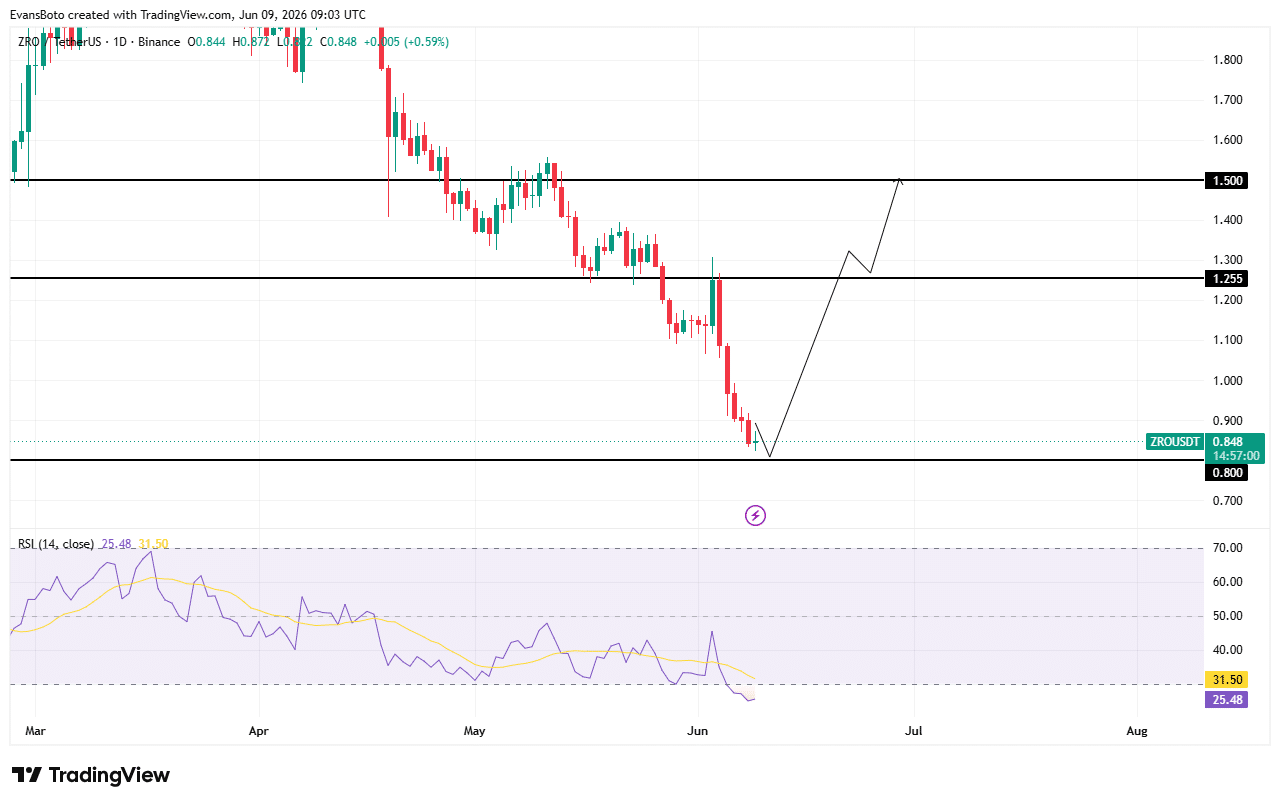
The protocol’s evolution is being driven by key events such as token unlocks, ecosystem upgrades, and governance activations. For example, the March 2026 unlock of roughly 25.71 million ZRO tokens added to the circulating supply, underscoring the importance of monitoring vesting schedules and their potential impact on market dynamics.