Tokenized funds expand across chains, yet liquidity remains fragmented – Why?
Tokenization is expanding across markets and blockchains, but institutional adoption still needs deeper liquidity.



As tokenized markets continue gaining traction, the UK is moving beyond pilots and toward permanent financial infrastructure.
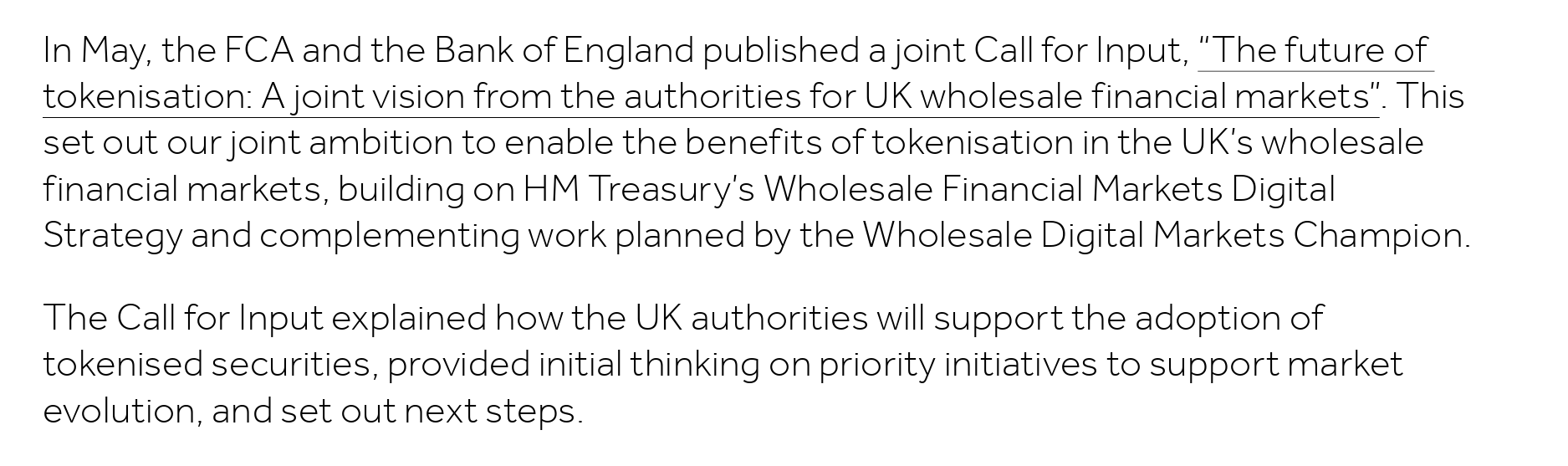
In May, the FCA and Bank of England set out this direction through a call for input. The response drew 123 submissions, showing industry interest.
Now, firms are progressing through the Digital Securities Sandbox. This includes key players such as HSBC, Euroclear, and LSEG. Their work tests tokenized securities across issuance, trading, and settlement under controlled limits.
According to the FCA, the framework will also expand settlement assets eligible to be qualified as stablecoins. This will create new ways for tokenized markets to function. Meanwhile, planned synchronization infrastructure targets 2028, linking tokenized ledgers with existing payment systems.
In contrast to other approaches, this strategy prioritizes efficiency in settling transactions, reducing risks associated with using tokens as collateral, and increasing efficiency in markets rather than attempting to create speculative opportunities for investors.
Therefore, it creates a much clearer path for institutions to adopt tokenization.
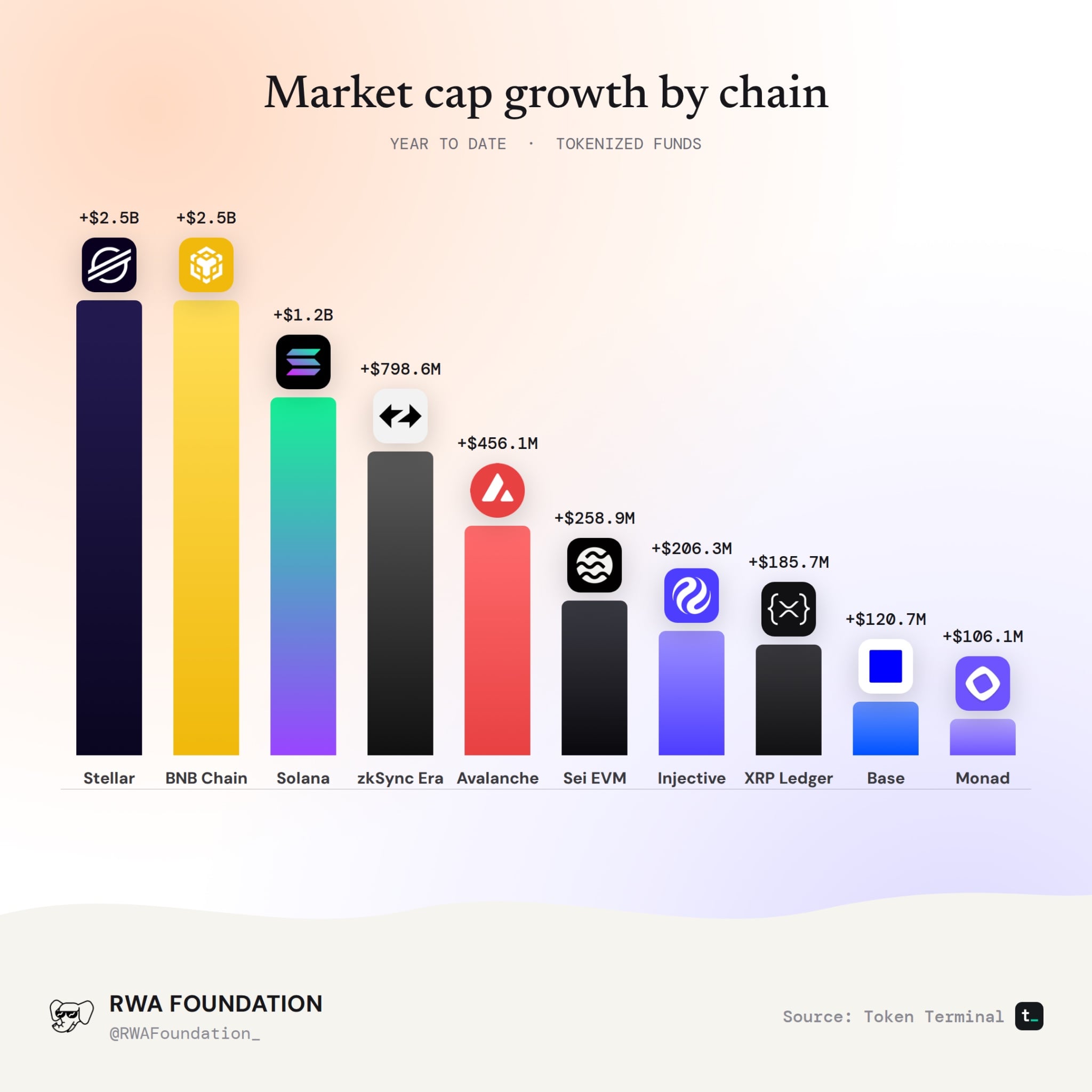
Tokenized funds expand across chains
Final Summary
- FCA and Bank of England are moving UK tokenization toward permanent financial infrastructure.
- Tokenized funds are spreading across chains, but fragmented liquidity still limits institutional utility.