



Tokenized assets have been gaining ground lately. From private credit to treasury products, the market is now becoming a bigger part of the crypto investment story.
A key reason for this interest has been yield. But, is it sustainable, or will stress slow down growth?
Tokenised RWAs cross 900K holders
The tokenised RWA market is huge now, with 900,000+ holders as part of its base. Solana [SOL] currently leads by holder count with 277K users, followed closely by Plume Network [PLUME] at 250K.
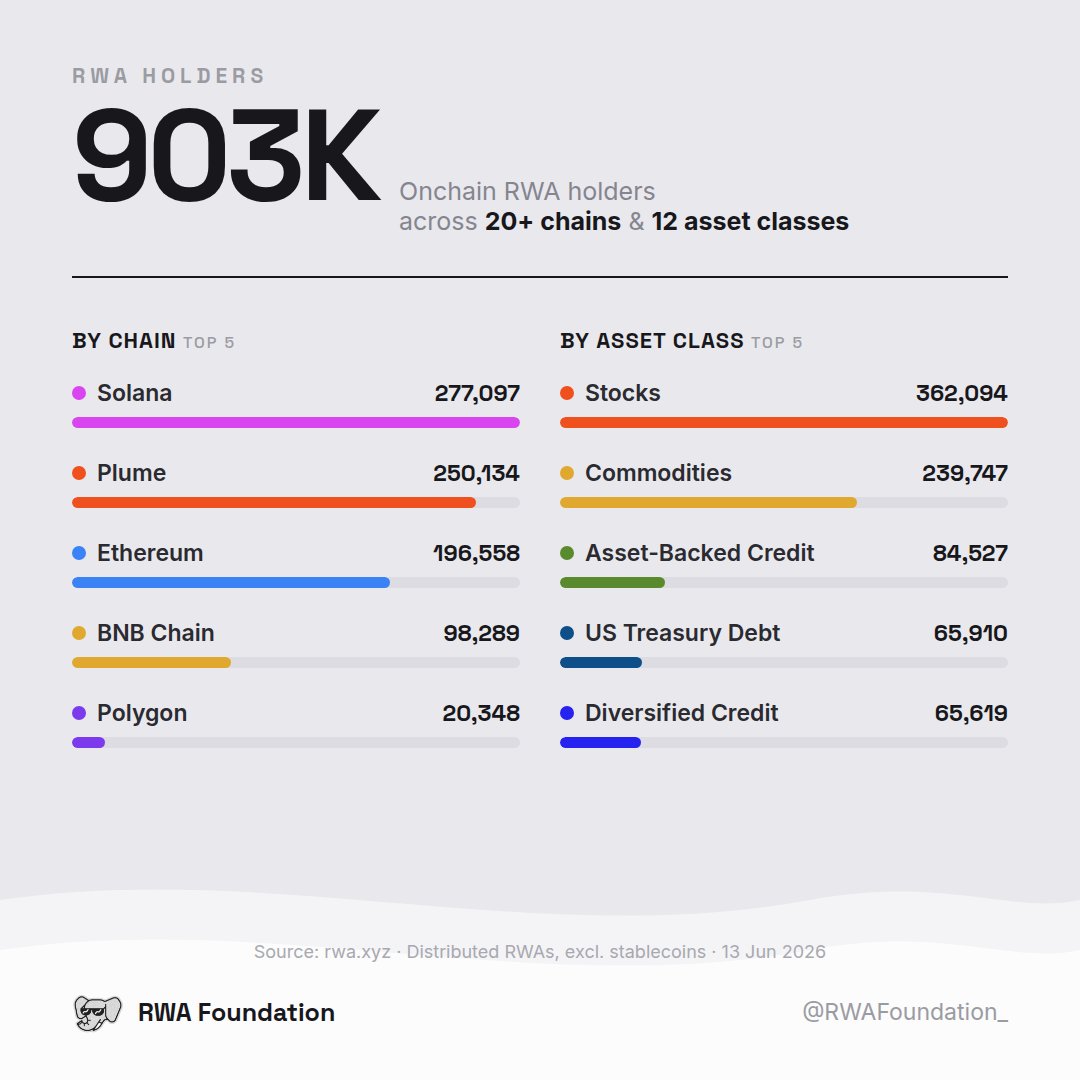
Ethereum [ETH] remains another major base for RWA activity.
By asset type, tokenized stocks are leading the market with 362K holders, followed by commodities at 240K.
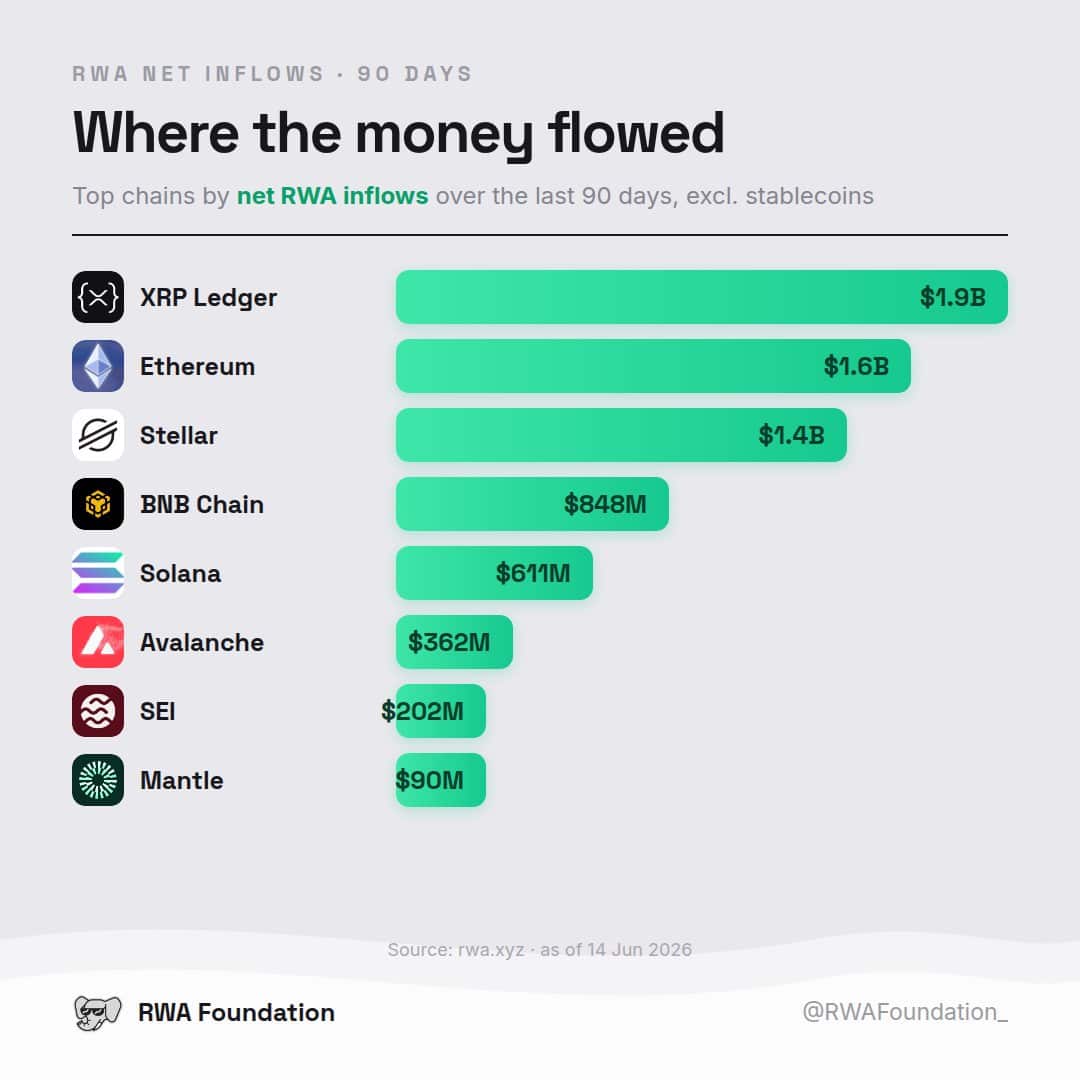
The demand is apparent. Over the last 90 days, Ripple’s XRP [XRP] Ledger saw the highest RWA net inflows at $1.9 billion, ahead of Ethereum at $1.6 billion and Stellar [XLM] at $1.4 billion.
BNB Chain [BNB], Solana, Avalanche [AVAX], Sei [SEI], and Mantle [MANTLE] also saw meaningful inflows.
Interestingly, AMBCrypto previously reported that private credit is one of the strongest RWA categories in DeFi, with 64.3% of its on-chain value now used across DeFi. However, most are not yet widely usable across DeFi protocols.
This makes the RWA trend interesting, but not evenly spread.
But here’s the risk…
A large part of the tokenized RWA appeal has been access to real-world yield, especially through private credit products.
Now, that side of the market is showing some strain.
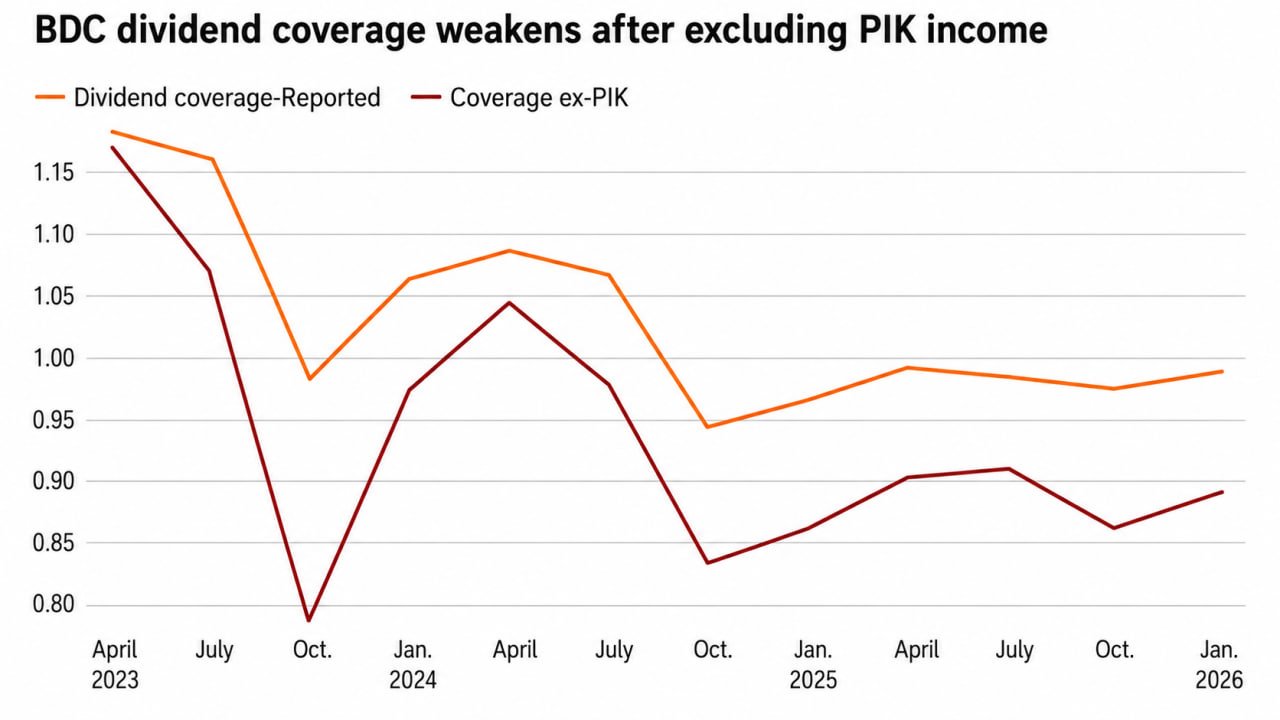
Dividend coverage for listed private credit lenders has been weakening since 2023. Reported coverage was above 1.15x in April 2023, but by early 2026 it was sitting just below 1.0x.
The pressure looks clearer after excluding PIK income, which is income booked but not received in cash. On that basis, coverage fell much lower and was around 0.89x in January 2026.
Regular cash earnings are not fully covering payouts. Hence, investors may start looking beyond headline yields. If funding costs rise, the sustainability of these returns could become the real test.
Final Summary
- Tokenized RWAs now have 900,000+ holders, with Solana leading the user count.
- Private credit yield sustainability is under pressure, with dividend coverage falling below 1.0x too.