


Many of TRON Network’s [TRX] metrics have grown consistently this year, making TRX one of the more interesting assets to watch.
However, the mood is not fully bullish yet. Here’s why…
TRON’s network growth holds up
Monthly transactions increased from around 341 million in January to 376 million in May. Put simply, activity on the chain has not slowed down so far.
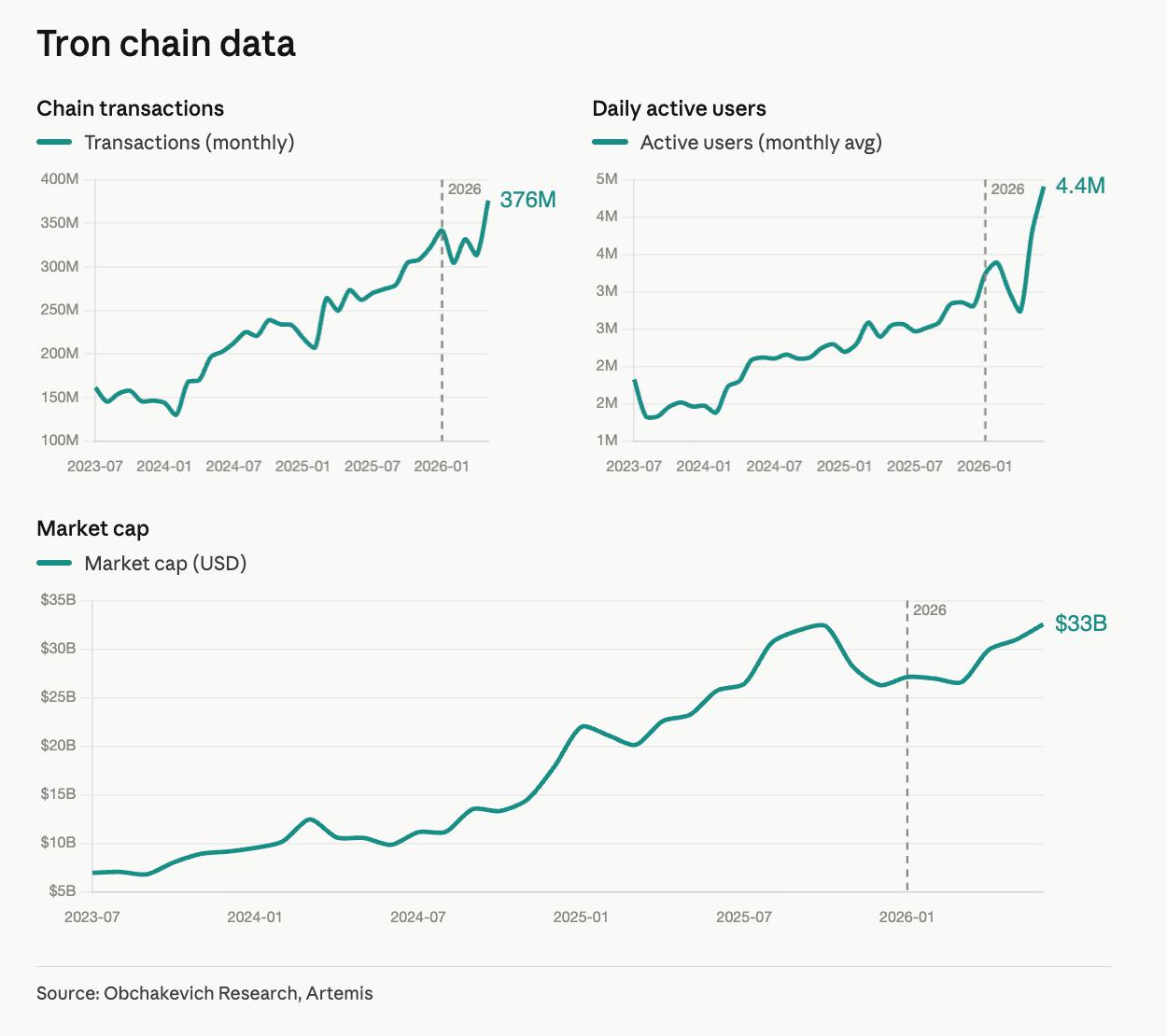
The user side seemed to be strong too. Average daily active users moved from nearly 3.2 million to 4.4 million. The main point here is that there’s been real usage, and it’s not just price interest.
The market cap also rose from about $27 billion to $33 billion over the same period. A big reason for this strength may be TRON’s role in low-cost, fast stablecoin transfers.
AMBCrypto previously reported that Tron Inc. has also been adding to its TRX treasury, buying 1.2 million TRX in June alone. In fact, total holdings are now above 700.4 million TRX. The buying happened during weakness, which means that demand has not fully dried up.
TRX derivatives traders aren’t convinced
At the time of writing, TRX’s Open Interest was around $202 million. Put simply, the activity was present but not really expanding.
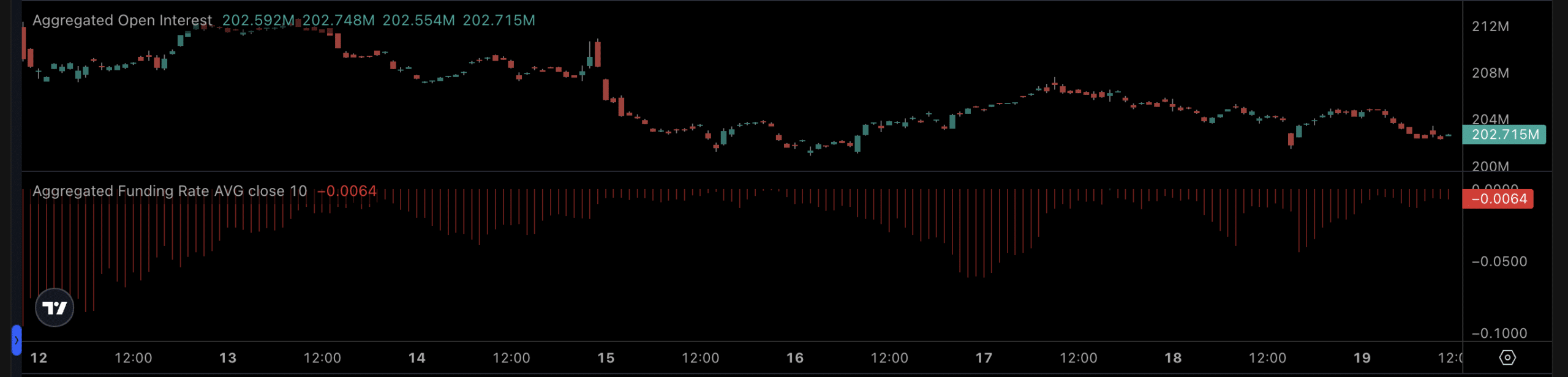
More importantly, the funding rate was negative at press time. This could mean two things – Short positions still paying longs, or that traders may be leaning more bearish in the near term.
A stronger breakout?
TRX traded at $0.32 after a dip from its recent highs. The recovery since appeared to be gradual on the charts.
At the time of writing, the RSI was back at 42. So, the pace was definitely improving. The MACD also seemed to be flattening, implying that selling pressure could be falling too.
Still, this didn’t seem like a confirmed bullish reversal yet.
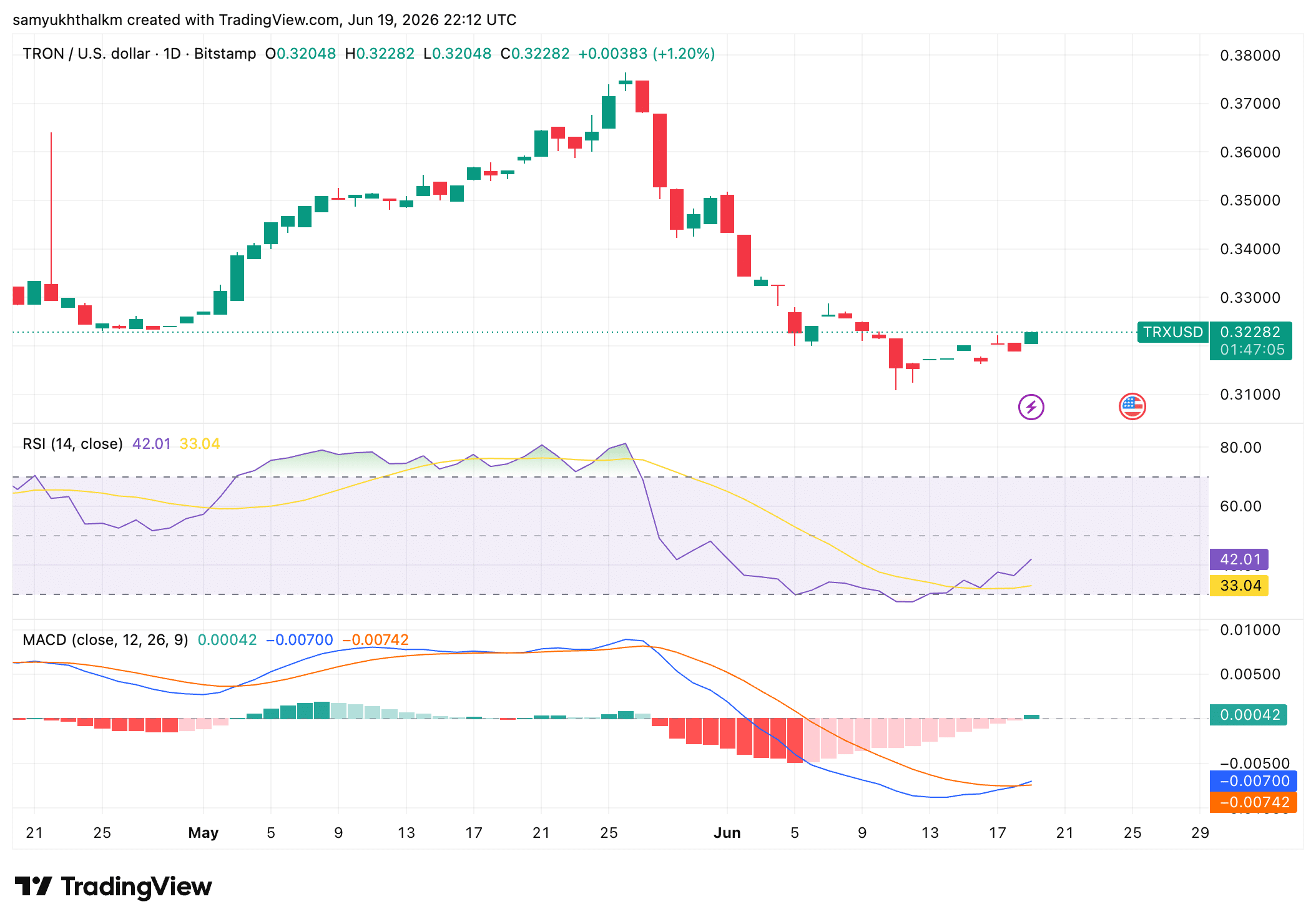
For TRX to support the stronger on-chain story, it needs to hold above $0.32 and push towards the next resistance zone. Until then, traders may stay cautious despite healthy network growth.
Final Summary
- TRON’s transactions, active users, and market cap rose in 2026.
- TRX traders remain doubtful due to negative funding rates.