As cross-chain infrastructure expanded across DeFi, bridge verification systems increasingly became concentrated points of systemic financial risk. Earlier multi-chain growth had already concentrated massive liquidity inside automated cross-chain settlement mechanisms.
That fragility became increasingly visible when attackers exploited a verification gap inside the Verus-Ethereum bridge, draining roughly $11.58 million.
Source: X
The bridge validated state roots and transaction hashes but did not confirm actual backing asset amounts during settlement verification. This flaw enabled attackers to create transactions for a low cost before gaining access to 1,625 ETH, 103.6 tBTC, and nearly 147,659 USDC in reserves.
The stolen assets were later swapped into roughly 5,402 ETH, reinforcing how rapidly attackers now recycle exploited liquidity across ecosystems. However, the incident also deepens broader concerns around incomplete bridge verification standards and growing interoperability risk concentration.
Verus exploit revives Wormhole and Nomad security parallels
The Verus exploit increasingly highlights how bridge security failures continue following the same structural weaknesses seen across earlier multi-chain attacks. Earlier incidents like Wormhole’s $326 million signature bypass had already exposed dangerous gaps inside cross-chain verification architecture.
That pattern resurfaced again once the Verus-Ethereum Bridge lost roughly $11.58 million through incomplete proof reconciliation checks. The attack also mirrored Nomad’s $190 million exploit, where improper root initialization enabled malicious message approvals beneath weakened validation assumptions.
Those repeated failures increasingly showed many bridges still struggle aligning cryptographic proofs with actual economic backing across separate blockchain ecosystems.
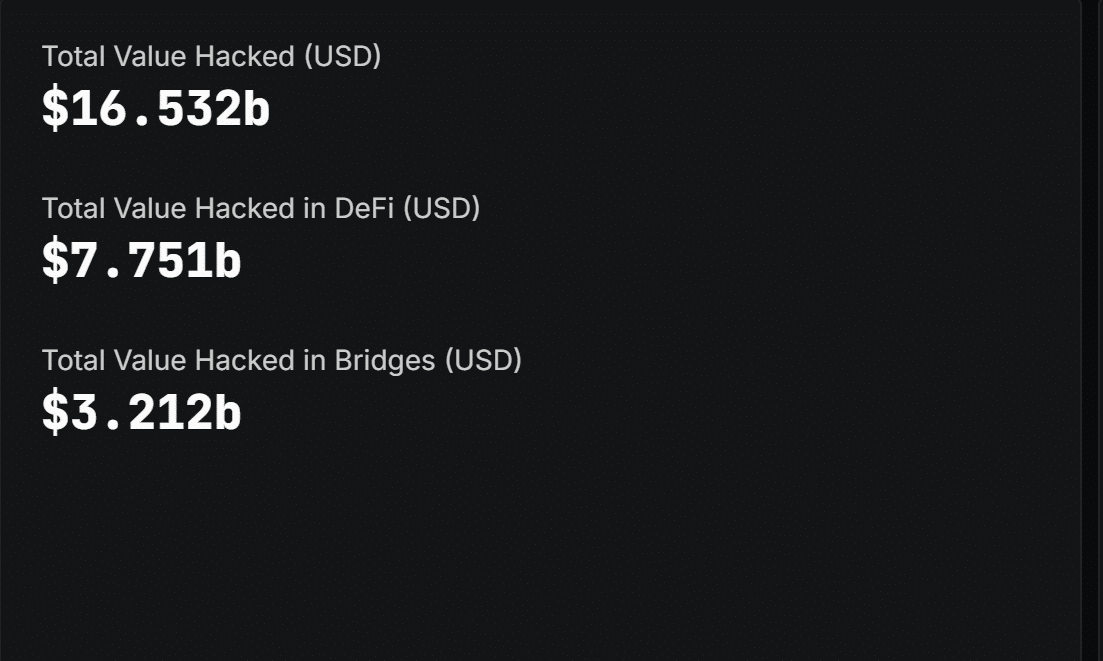
Source: DeFiLlama
Bridge-related losses have now surpassed $3.2 billion historically, reinforcing how expanding cross-chain liquidity systems continue concentrating systemic security risks across broader DeFi infrastructure.
Despite rising demand for cross-network capital movement, repeated bridge exploits continue to erode confidence in multi-chain liquidity systems. Earlier failures of Wormhole, Nomad, and KelpDAO had already pushed users across DeFi ecosystems to adopt more defensive liquidity strategies.
This caution was reinforced when the Verus-Ethereum Bridge lost approximately $11.58 million in May 2026 due to another verification-related exploit. Notably, bridge-related losses now account for approximately 41% of all tracked DeFi exploit losses.
Earlier KelpDAO-related failures also erased nearly $10 billion to $14 billion in DeFi TVL within days as users rapidly withdrew liquidity from vulnerable protocols.
Cross-chain systems remain critical for liquidity efficiency and ecosystem expansion. However, repeated verification failures increasingly risk fragmenting liquidity flows and slowing broader mainstream trust across decentralized finance.
Final Summary
The Verus exploit shows bridge verification systems remain one of crypto’s biggest security weaknesses despite years of upgrades.
As cross-chain activity expands, bridges increasingly improve liquidity movement while concentrating broader systemic risk.