What Solana’s $500mln USDC mint really means for SOL
Rising USDC inflows point to growing on-chain liquidity, but questionable spillover into SOL demand.


For any Layer 1 network, stablecoins serve as a direct gateway to on-chain activity.
The logic is straightforward: The more liquidity a network attracts, the easier it becomes for users to trade, borrow, lend, and move capital across its ecosystem. In that sense, Solana’s growing stablecoin supply points to increasing demand for the network’s on-chain infrastructure.
What does the latest USDC surge mean for SOL?
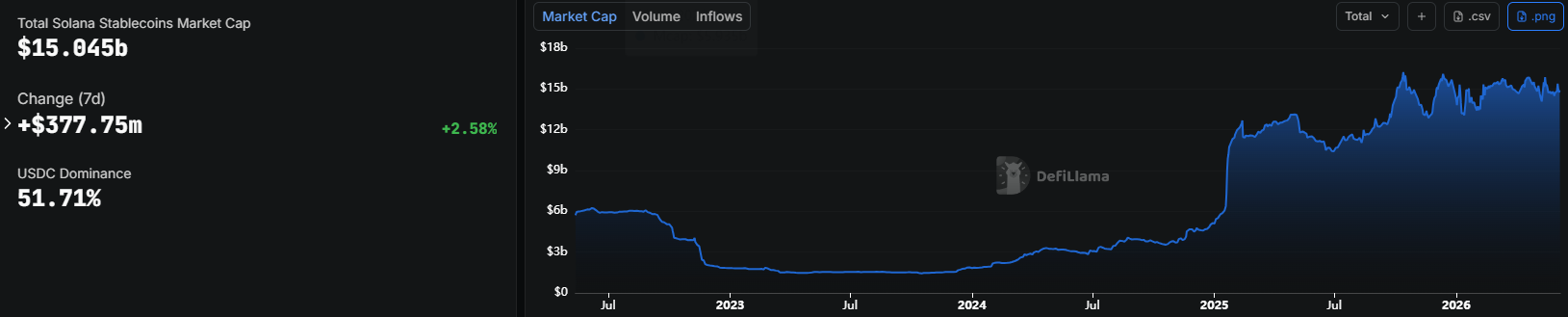
As the chart below shows, Solana’s stablecoin market cap is closing in on its all-time high of $16 billion, with more than $370 million flowing into the network over the past week alone.
USDC now accounts for over 51% of total stablecoin liquidity on Solana, making its recent wave of minting activity difficult to ignore.
Sure, Ethereum [ETH] still holds the lion’s share of USDC supply at roughly 64%, while Solana accounts for just 10.3%. But the more important metric is where new liquidity is flowing.
Circle recently minted another $500 million worth of USDC on Solana, marking nearly a 6% increase in supply on the network this week alone. In contrast, USDC supply on Ethereum shrank by 1.48% over the same period.
In other words, while Solana remains well behind Ethereum in absolute terms, the latest issuance data suggests fresh capital is choosing Solana as its entry point. That kind of liquidity expansion tends to be a tailwind for on-chain activity, especially when stablecoin growth is outpacing the broader market.
And yet, price action continues to tell a different story.
The SOL/ETH ratio was down nearly 3% this week, while SOL has dropped to multi-month lows, despite its RSI slipping into deeply oversold territory. That raises an important question: Is all this USDC minting actually bullish for Solana [SOL]?
USDC inflows are rising, but conviction in Solana is not
This divergence between Solana’s technical setup and its on-chain liquidity is becoming difficult to ignore.
Notably, the market has pointed to Solana’s reliance on memecoin-driven activity for revenue generation, with platforms like Pump.fun often cited as a key example of this speculative engine.
In that context, rising USDC supply may be reflecting more of this short-term trading activity rather than durable capital formation.
Supporting this view further is Solana’s perpetual activity.
According to data from DeFiLlama, total perp DEX Volume on the network hit a record $64.5 billion in May alone, marking the strongest single-month performance in history. Elevated perp DEX Volumes like this typically point to heightened speculative engagement rather than long-term capital allocation.
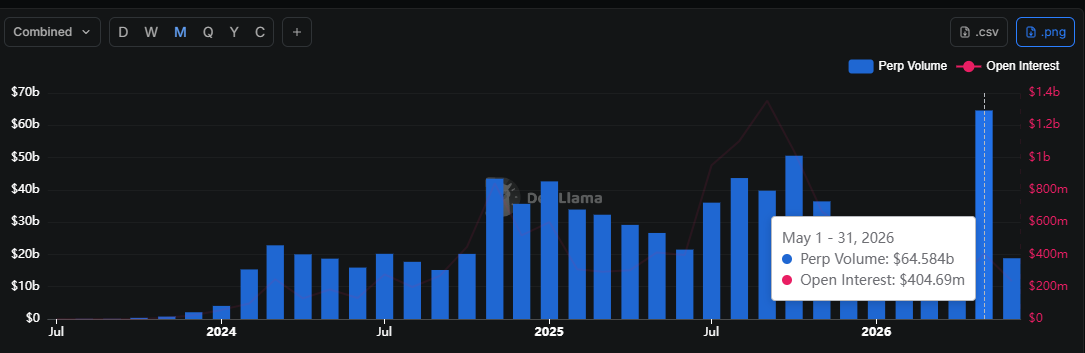
Taken together, the mix of memecoin flows and record perp trading activity suggests that a significant portion of Solana’s current liquidity cycle is being driven by speculation rather than structural demand.
This, in turn, helps explain why USDC inflows may not be as bullish for SOL as they first appear. Instead of signaling strong long-term conviction, the liquidity looks more tied to fast trading and leverage cycles that don’t necessarily translate into sustained price support for the token.
Final Summary
- USDC is flowing into Solana, but it’s mostly used for trading, not long-term SOL buying.
- So even with higher liquidity, SOL price strength is still weak, showing low conviction.