30 days and a 16% spike – Why USDT is making headlines in Venezuela
How does Venezuela's increasing dependence on USDT relate to Tether's hegemony in the stablecoin space?


In the stablecoin market, Tether’s USDT has consistently held a dominant position. Venezuela’s upward trend over the past 30 days has also shown the USDT’s growing dominance.
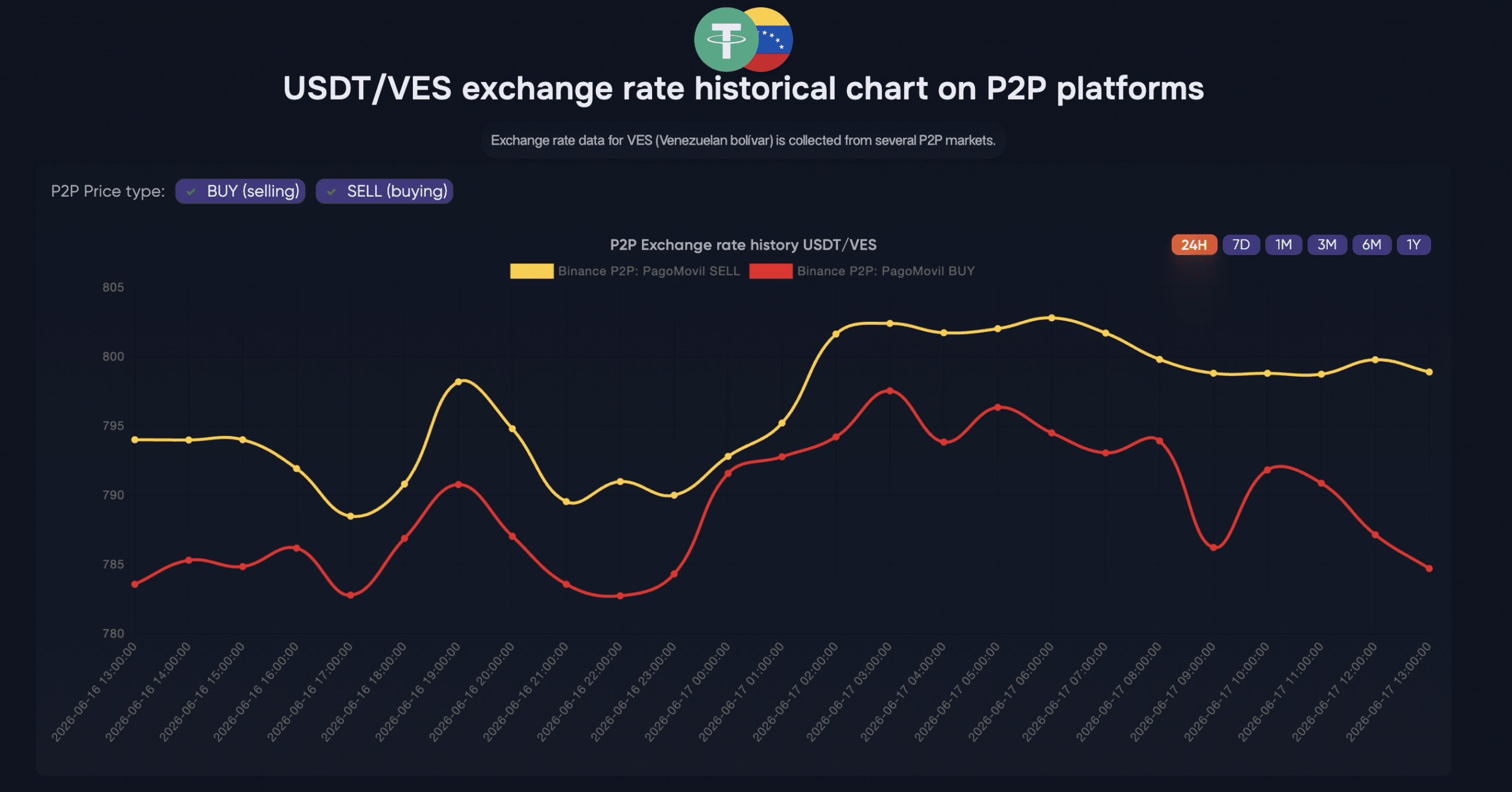
Data from P2P.Army indicated that during the past month, USDT has increased by 16% in the Venezuelan market. This spike caused the price of the digital currency to rise above 800 bolivars per unit on peer-to-peer (P2P) trading platforms, peaking at 810 bolivars.
The rise of USDT in Venezuela
Between mid-May and mid-June 2026, the USDT to bolivar exchange rate steadily increased, breaking through the 800 bolivar barrier before dipping marginally to 794 bolivars.
However, this only happened on Binance, which is the most popular P2P marketplace in Venezuela and the biggest in the ecosystem.

This behavior coincided with a substantial increase in monetary liquidity issued by the Central Bank of Venezuela (BCV), which put pressure on the availability of official foreign currency in bank exchange desks.
According to official data from the BCV, the quantity of bolivars in circulation significantly increased. At the same time, total monetary liquidity was around 2.17 trillion bolivars at the end of the 5th of June.
This marked a 23.26% increase over the record set on the 8th of May, when there were 1.76 trillion bolivars in circulation.
Hence, if we look at the cumulative behavior since the 2nd of January, which was at 0.93 trillion bolivars, monetary liquidity increased by 131.17% in just over five months.
What’s behind this?
All this resulted from a significant discrepancy between the local financial system’s supply of traditional foreign currency and the rising demand from citizens looking to safeguard their capital.
According to analyst Hever Castro, the gap now influences daily business.
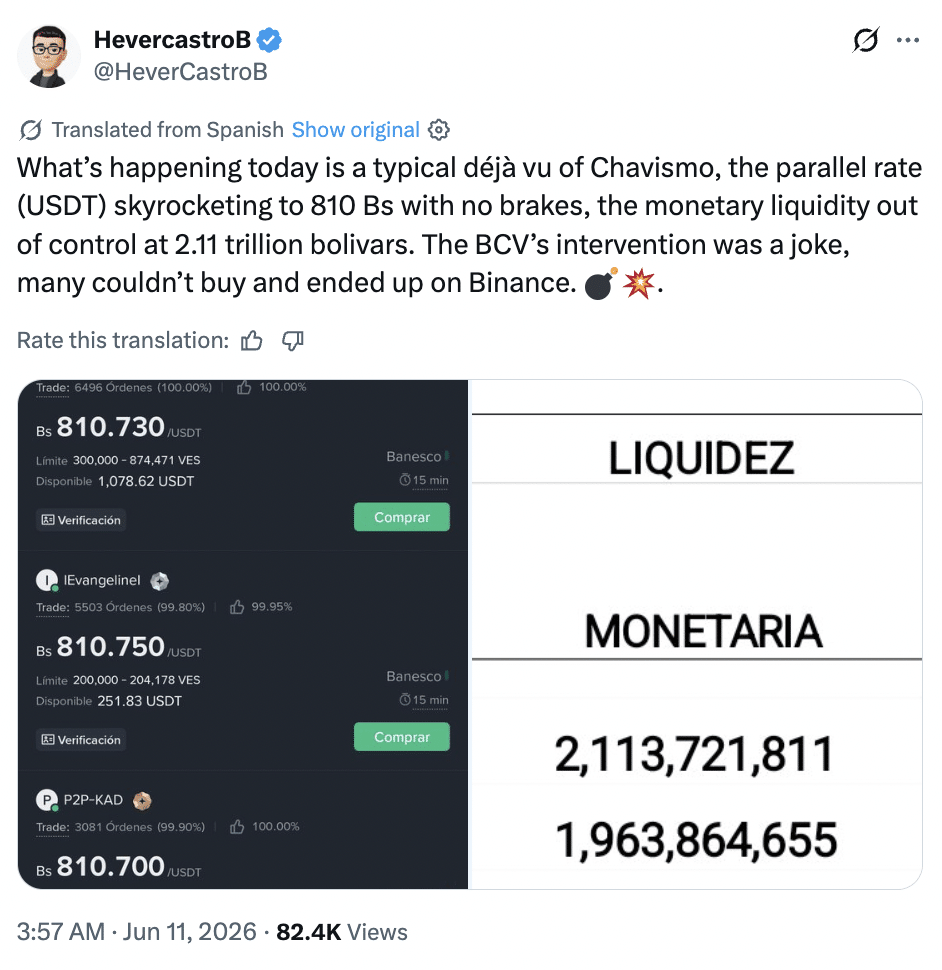
The national exchange market was immediately impacted by this significant infusion of local currency.
Due to the large amount of bolivars that were available, the locals resorted to formal financial institutions to obtain foreign currency.
USDT market dynamics
All this came on the heels of USDT dominating the stablecoin market in terms of supply and transactions, according to Visa on-chain analysis.
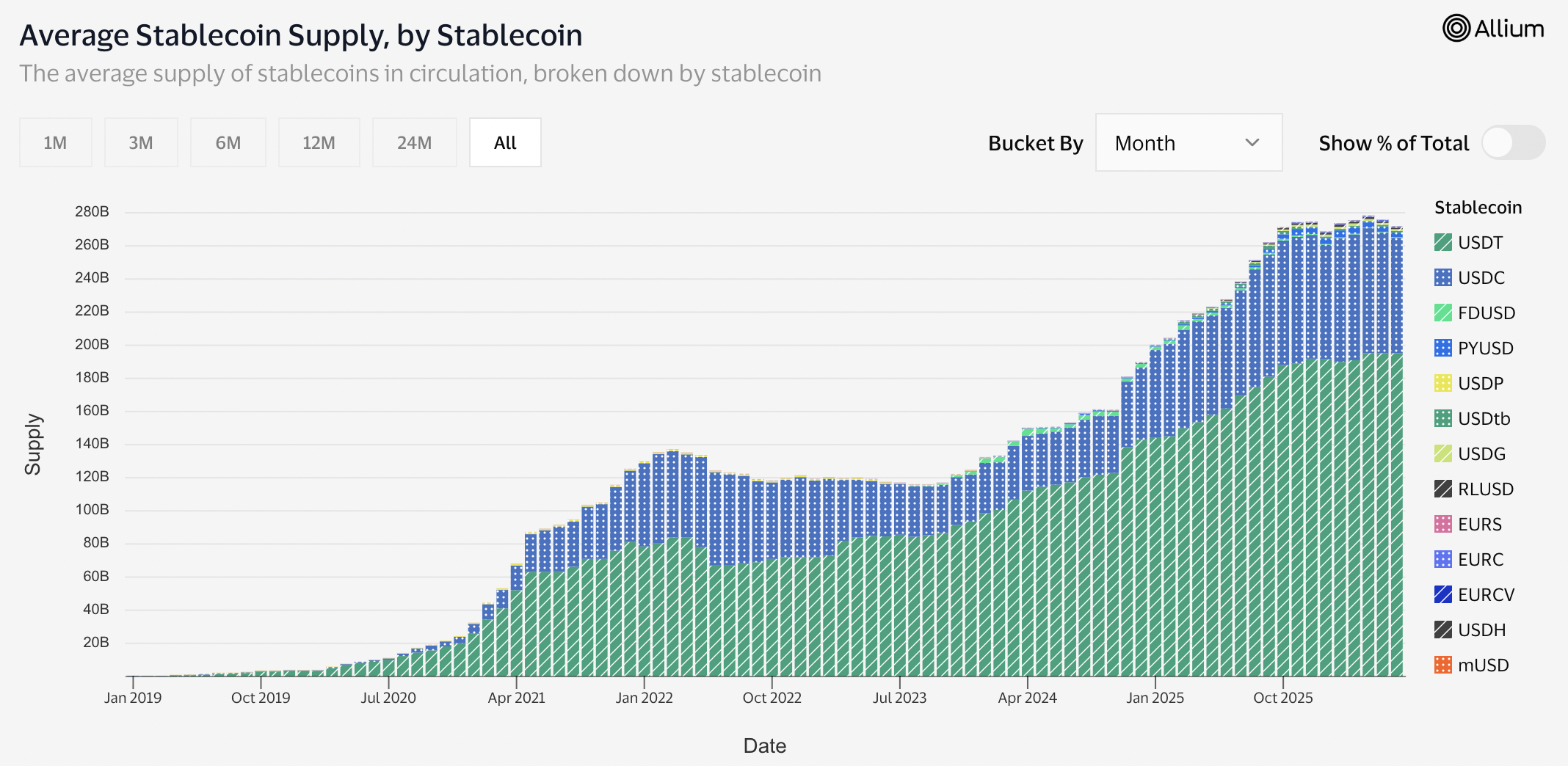
However, there has been some short-term market disruption as a result of the recent EU regulatory push that led to Tether being delisted on major exchanges.
This has put USDT, which is still the most popular stablecoin based on market capitalization, under scrutiny once again.
Final Summary
- Demand for USDT soared in Venezuela, where the stablecoin gained 16% in the last month.
- This trend was exacerbated by the Central Bank of Venezuela’s excessive monetary expansion.