Stellar’s Bell upgrade targets post-quantum security – Why it matters for XLM
Stellar joins Tron and Starknet in the post-quantum race.



Stellar will mark its initial step into the post-quantum (PQ) era of security via the Bell upgrade scheduled for November.
According to Stellar, the upgrade aims to enable smart contracts to have native PQ signatures, calling it one of the “two long-term goals.”
It’s (Bell upgrade) designed to make smart accounts ready for businesses at scale and start the work on two longer-term goals: quantum-safe signatures and faster ledgers.
The upgrade, also known as Protocol 30, will hit Testnet on the 3rd of November. If all goes well, the vote and final upgrade will be pushed to mainnet by the 23rd of November.
While this won’t make the whole Stellar stack quantum-secure, it is a commendable part of broader preparations ahead of the 2029 deadline.
Stellar’s quantum roadmap
Powerful quantum computers can break elliptic curve cryptography, which is currently being used to secure most blockchains and Internet systems.
Google, which is actively working on a quantum computer, has set 2029 as the internal deadline to make its systems quantum-secure. In fact, it urged the blockchain industry to also use the same deadline. As part of its response to the threat, Stellar [XLM], like most blockchains, unveiled a plan to be quantum-secure.
For Stellar, the target is 2027, but enterprise wallets were expected to have quantum-secure signing by the end of 2026. That’s the step the Bell upgrade will achieve at the smart contract level.
The second phase will be to extend a similar secure signing to standard wallets and accounts in 2027. Finally, the network consensus layer (validator node signatures) will also have secure post-quantum signatures. That puts it close to Tron and Starknet, which are also pushing to overhaul their stack to be quantum-secure.
Impact on Stellar’s XLM
Stellar has bagged several partnerships, including plugging in and distributing tokenized assets (RWA) by the Depository Trust & Clearing Corporation (DTCC).
In fact, DeFiLlama data shows that Stellar has 6x more RWA assets (about $3 billion) than stablecoin activity ($487 million).
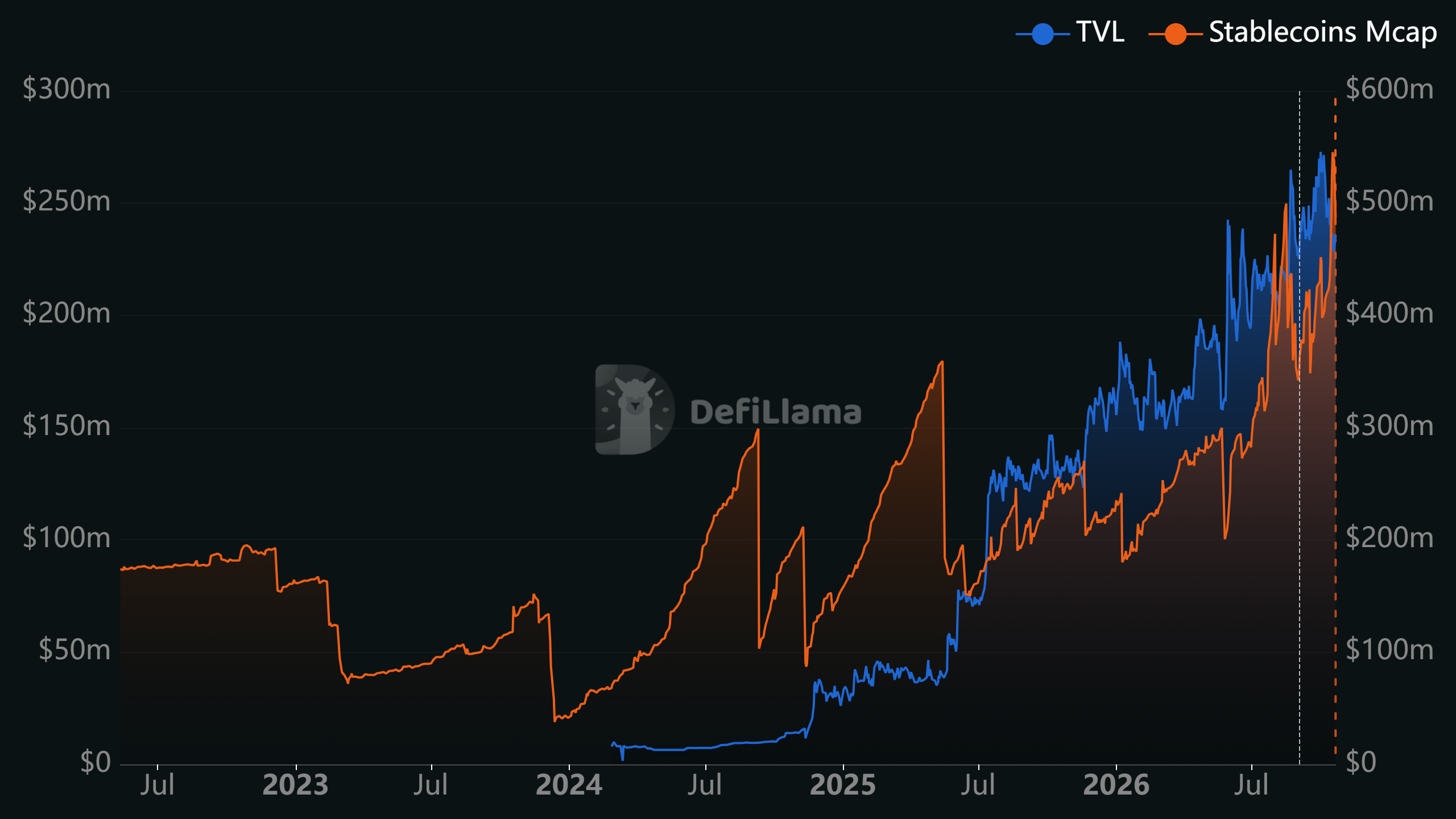
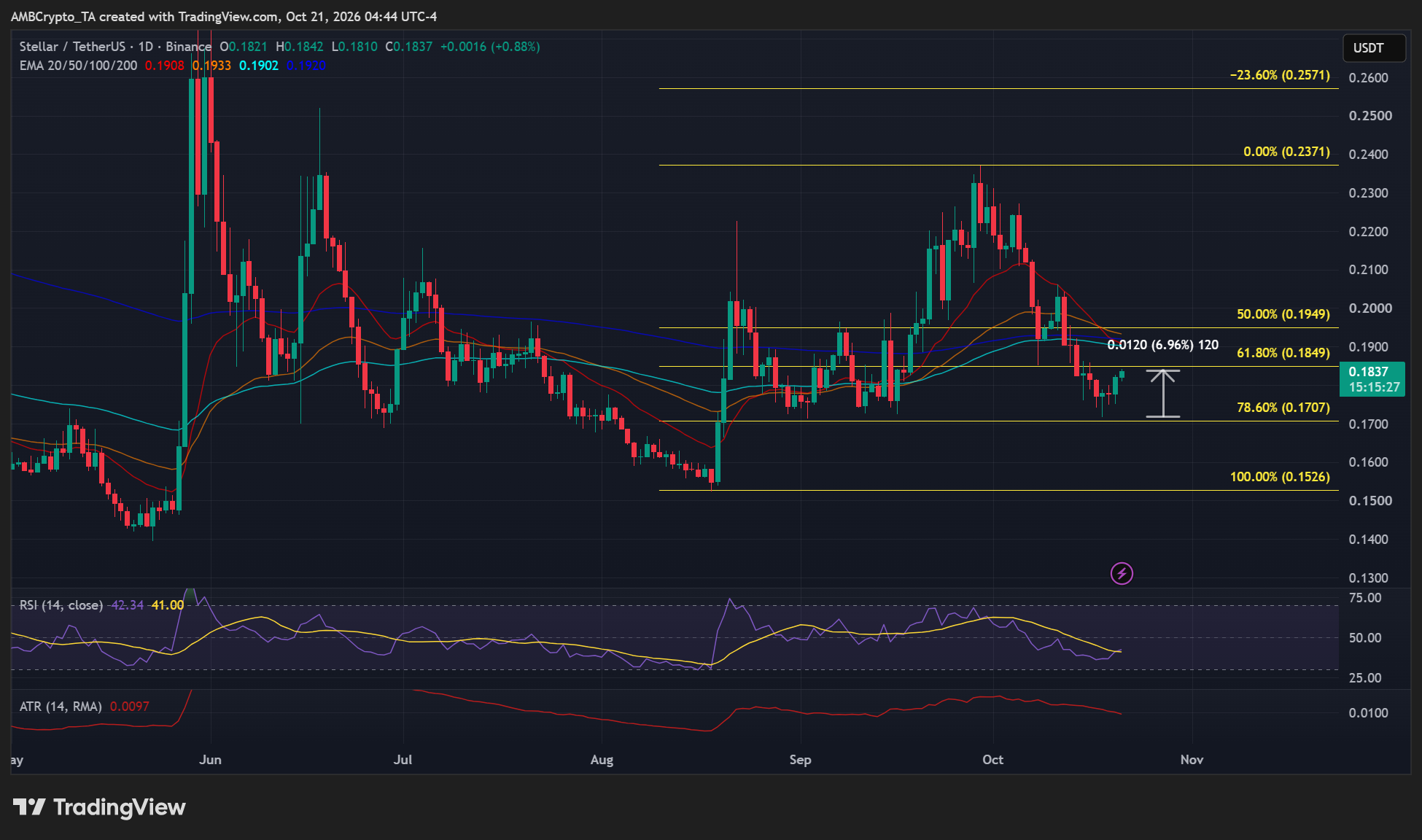
That said, XLM bounced about 5% following the update and was up 7% this week. Bulls seem to have defended the September low and short-term demand support of $0.17.
However, the market structure was still bearish. Only a decisive move above $0.19 (moving averages) could confirm a likely extension of the recovery.
Final Summary
- Stellar to kick off its post-quantum plan with the Bell upgrade in November.
- The post-quantum push will initially target smart contracts and enterprise wallets.