‘CME lacks standing’: CFTC moves to dismiss lawsuit over Kalshi crypto perps
CFTC said that CME is free to list crypto perps to avoid its self-inflicted 'competitive injury'


The U.S Commodity Futures Trading Commission (CFTC) has filed to dismiss the Chicago Mercantile Exchange (CME) lawsuit over its crypto perpetual approvals for Kalshi and Coinbase.
In the filing, the agency called the CME lawsuit an overreaction (‘much ado about nothing’), noting that even the exchange is free to offer the products.
This lawsuit is much ado about nothing. CME is wrong on the merits–perpetual futures are futures. But there is a more fundamental defect with this lawsuit: CME lacks standing.
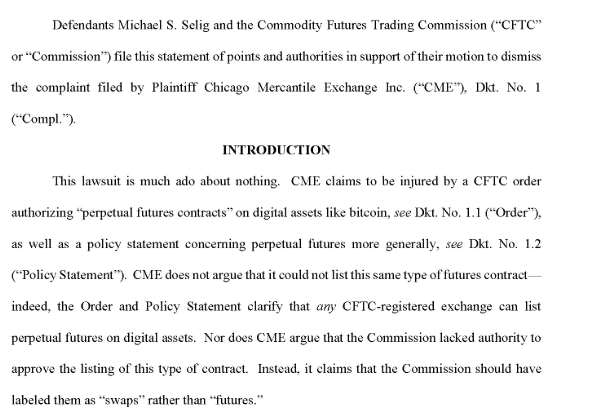
The regulator clarified the approval allows any player with a DCM (Designated Contract Market) license, including the CME, to offer crypto perps.
So CME is free to list the same type of perpetual futures as Kalshi and other DCMs. Thus, even if CME’s vague assertions of competitive injury had any substance, those injuries are self-inflicted and based on CME’s refusal to list perpetual futures for trading.
Additionally, the regulator disagreed with CME’s claims that it is protected by the Commodity Exchange Act (CEA). The CFTC noted that CME does fall within the “zone of interests” protected by the CEA, blasting its lawsuit as a way to fend off competition and defend its business.
As such, the watchdog sought for the court to dismiss the exchange’s complaint.
Will CFTC’s crypto backing disrupt TradFi further?
Under the second pro-crypto Trump administration, the sector has grown its stature, securing even stablecoin legislation. Now banks are being forced to embrace stablecoins to stay behind.
Similarly, sports betting firms are frightened about crypto-led prediction markets. If the court grants the CFTC’s motion for dismissal of CME’s complaint, crypto perps could threaten another section of TradFi players.
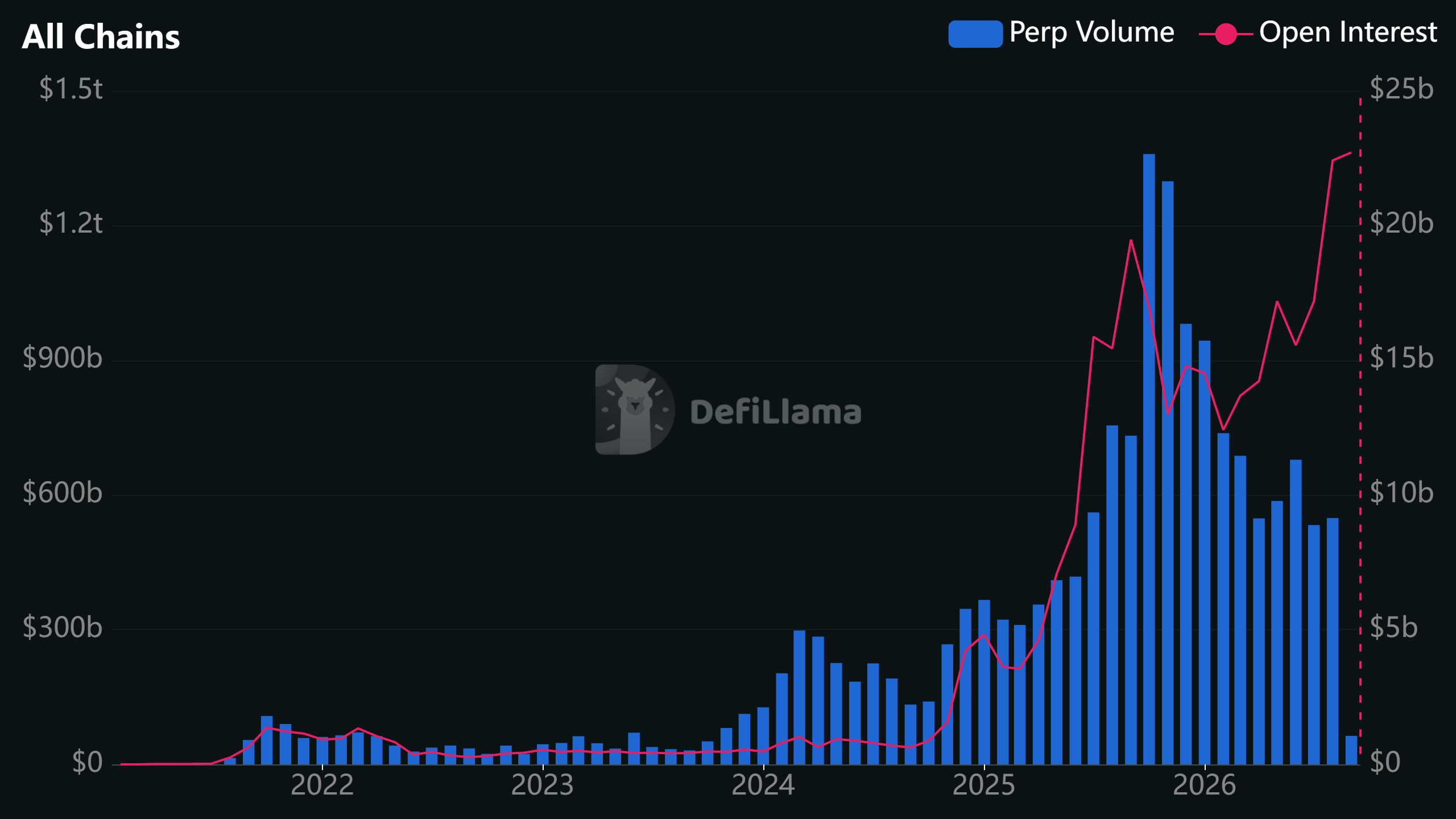
Already, plans are at advanced levels to fast-track and onshore Hyperliquid, a popular cross-asset perpetual trading DEX platform. And CME and the other TradFi players are rightfully scared because the volumes across these speculative markets have been explosive.
In 2025, perp volume expanded 4x from $300B to a record $1.2T at the peak of the bull run last October.
During the crypto winter, the volume dropped by half to over $500B. The traction could pick up again ahead of the early innings of the next bull market cycle.
Overall, traditional finance (TradFi) is facing a massive disruptive threat from crypto. But it remains to be seen if the court’s ruling will favor the CFTC and crypto industry.
Final Summary
- CFTC has filed to dismiss the CME lawsuit over crypto perps approval, saying that the exchange is free to list them too.
- The regulator maintained that the Commodity Exchange Act, which CME references, is not meant to protect the exchange’s business interests or monopolistic overtures