Cold wallet crypto security faces a new AI warning—should holders worry?
Cold wallets remain secure today, although an Ethereum researcher says advanced AI could eventually expose private keys from previously used addresses.



A senior Ethereum researcher is cautioning that before quantum computers are powerful enough to pose a significant risk to encryption, artificial intelligence could discover an encryption-busting shortcut for some crypto private keys.
There is no evidence that this has happened. Wallets are secure, but Justin Drake says the industry should start to prepare, not when an emergency happens.
Why AI could threaten some crypto wallets
When a crypto wallet is created, it comes with a private key and a public key [used to verify your identity and transactions].
Bitcoin and Ethereum use a security system where a high-calibre mathematical structure makes it impossible to work backwards from a public key to a private key.
If AI starts becoming sentient and more intelligent, they may discover some mathematical shortcut, and allow an attacker to find the private key from the public key, stealing the funds, according to Drake.
There is no shortcut method that exists today; hence, the warning is based on the possibility of a shortcut being discovered in the future and not about the possibility of it being used today.
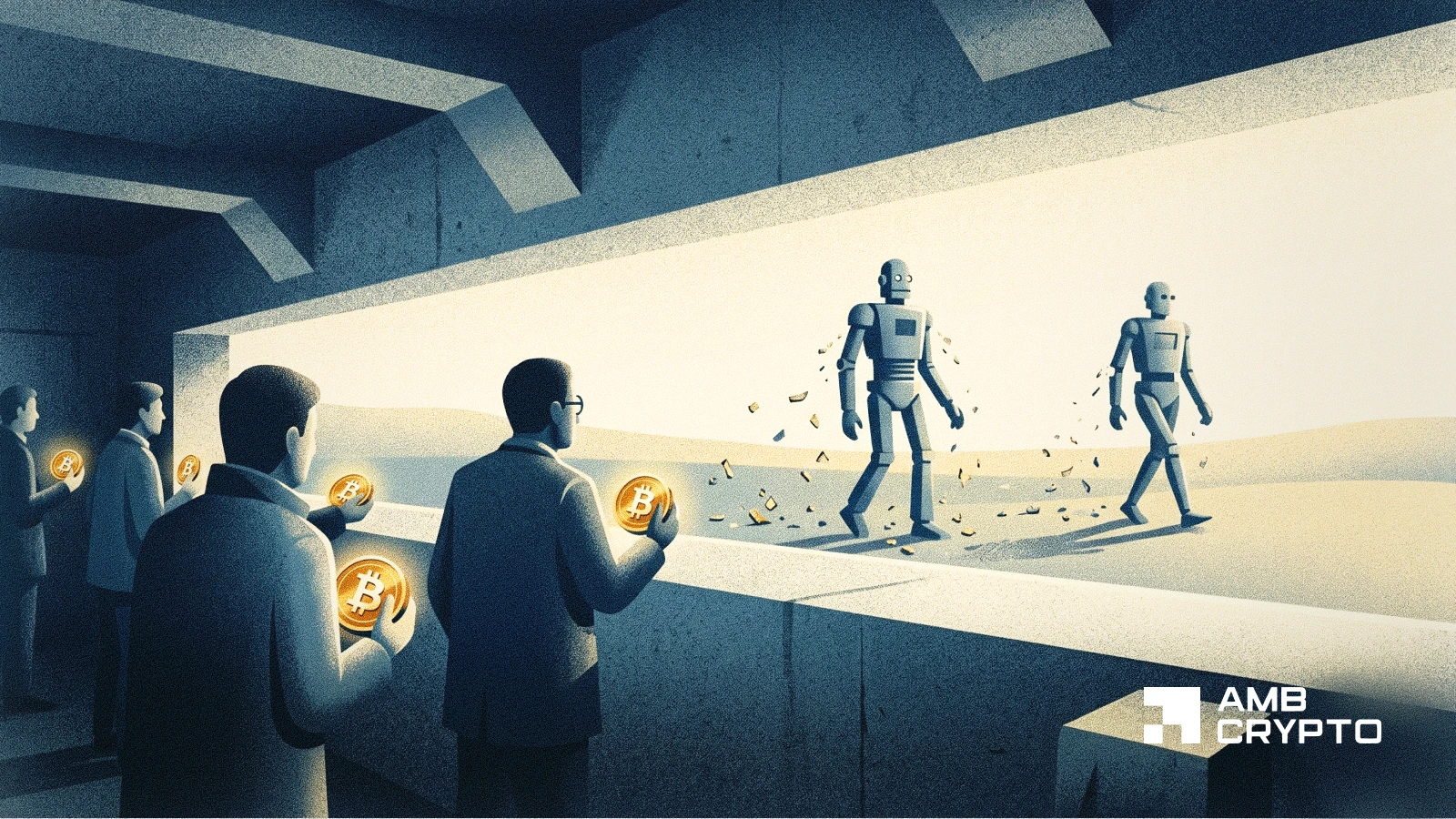
“Calmly begin planning for bunker mode,” Drake urged the blockchain industry in an X post. Months instead of years away, he speculates, is the worst-case scenario, but he provides no evidence for breakthrough imminence.
Would a cold wallet remain safe?
Having the crypto held offline does not take away the problem that Drake outlines.
With a cold wallet, the asset is away from computers and the internet, and the assets are kept safe from hacking, but the assets are connected to a blockchain address by their public key. When a transaction is sent, the public key is broadcast, exposing the assets to a certain kind of attack.
Large holders, Drake proposed, could slowly move a majority of their funds out of old addresses to clean addresses that have not been used to send cryptocurrency; it still hides its public key behind another layer of mathematical proof.
This would make them harder to target if the current signature system were ever broken. This protection would only last until the new address sends a transaction and reveals its public key, however.
Drake specifically called on Binance, Robinhood, Bitfinex, Tether, and other large custodians to review how they protect cold storage. Those companies hold large pools of crypto and would likely attract attackers first.
The warning is Drake’s personal recommendation, not an official Ethereum Foundation instruction. He also said holders should not rush, as hurried transfers could lead to mistakes, scams, or lost funds.
Existing users do not need to dump their hardware wallets or immediately move out any coins they currently hold. This is about being prepared if, and once such a threat is created.
Final Summary
- AI has not broken the security protecting Bitcoin or Ethereum wallets.
- There still exists the opportunity to use new addresses if it is deemed at all that the public key is exposed.