

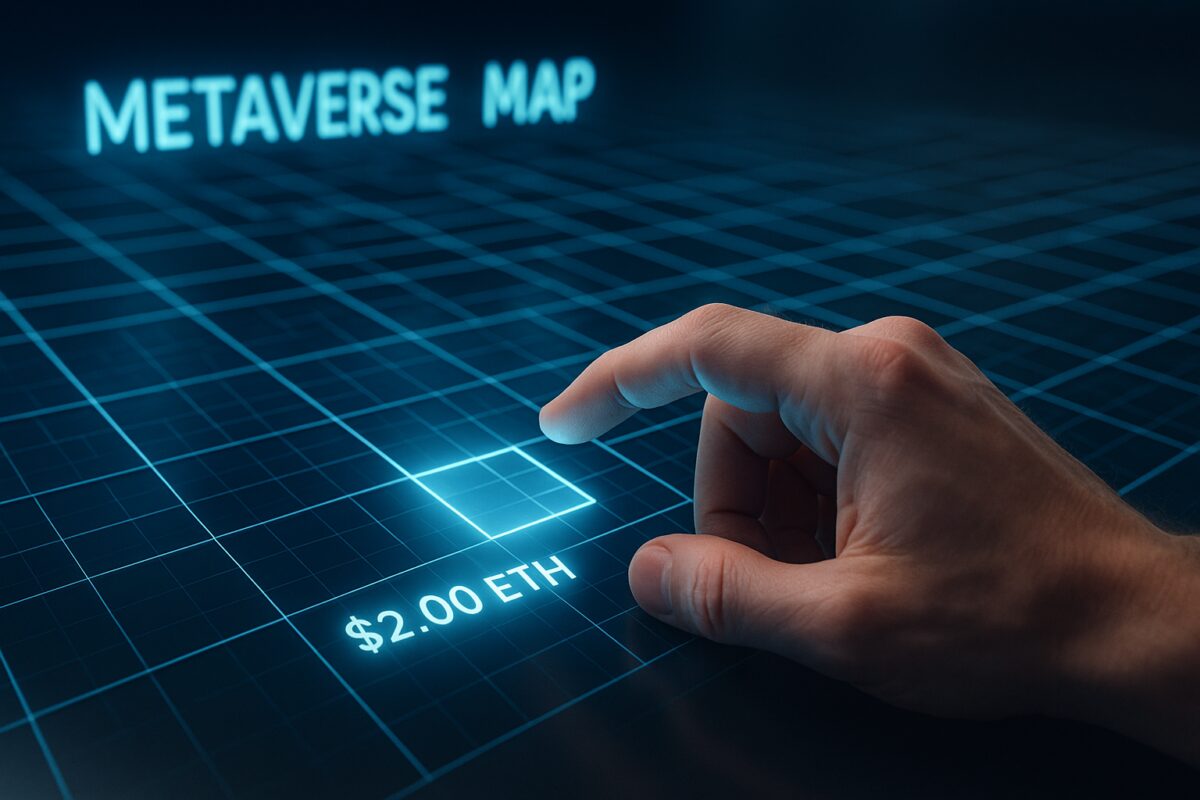
Getting Your Hands on Digital Dirt: A Real Look at Buying Virtual Property
Online spaces are always evolving, and “virtual real estate” is the latest thing catching the eye of keen investors and tech lovers. So, what are we talking about? It’s basically specific pieces of land or property that exist only in these deep, digital worlds, the kind you hear called metaverses. These bits of digital ownership—like patches of virtual ground, structures, or other things you can play with—aren’t just pictures on a screen; people buy them, flip them, build on them, or rent them out, just like physical property.
At its heart, virtual real estate is all about owning, trading, and building up these digital areas. Most of these deals go down on special online spots, usually using cryptocurrencies and the secure backbone of blockchain tech—specifically Non-Fungible Tokens (NFTs)—which prove you actually own it. The metaverse itself, this big, always-on, shared online place, is where these digital properties live, often marked out by coordinates or as specific plots. Big names you might hear in this growing field are Decentraland, The Sandbox, Voxels (which used to be Cryptovoxels), and Somnium Space, and each one has its own cool things, setups, and digital money.
Figuring out what virtual property is worth isn’t too different from pricing real-world stuff. Things like where it is—say, if it’s close to popular spots or big brand names in that digital world—how many people visit, and what you can actually do with it really matter. Owners can get creative with their digital plots by putting up buildings, making things like games or online shops, throwing parties, or showing off digital artwork. This can lead to making money through online sales, ads, rent, or by selling the improved property later on.
How Virtual Land Stacks Up Against Other Digital Goodies
To really get what makes virtual real estate special, you first need to understand what “digital assets” even are. Generally, a digital asset is anything valuable that’s just bits and bytes, something you can own and find. This big bucket holds old-school things like your Word docs and software, plus the newer blockchain stuff like cryptocurrencies and NFTs. Even the IRS has a say for taxes, calling a digital asset any digital way of showing value that’s tracked on a super-secure online ledger or something like it.
Now, virtual real estate is definitely a type of digital asset, but a few key things make it stand out from the crowd:
- It’s All About Space You Can Build On: The biggest thing about virtual real estate is that it’s like owning a place in a digital world. It’s not just a one-off NFT picture or some crypto coins; virtual land is a spot you can change, build on, and use for cool experiences or services right there in its own metaverse. That’s pretty much how actual land works.
- It’s Made for Doing Stuff: Some digital assets, like utility tokens, might get you into a service, but virtual real estate is usually about making and joining in on really engaging experiences. It’s the ground floor for hanging out, playing games, shopping, and holding events in an online world that’s always there. Other digital things, like Bitcoin, are more like digital cash or gold, and many NFTs are just about owning one specific thing, like a piece of art or a collectible.
- It Lives or Dies by its World: Virtual real estate is totally tied to the specific platform or metaverse it’s in. How popular that world is, how many people use it, and how good its tech is—think Decentraland or The Sandbox—directly affects how much people want the land there and what it’s worth. Some other digital items, like certain game NFTs, are stuck in their game too, but many others, like Bitcoin or Ethereum, can be used pretty much anywhere.
- They Make it “Rare” on Purpose, Like Real Land: Lots of these virtual worlds purposely don’t create endless land; they cap the number of plots to make them scarce, just like actual land, hoping that makes them more valuable. Sure, other digital things can be rare too (like limited NFTs or some cryptocurrencies), but with virtual real estate, this rarity is tied to an actual spot—a particular piece of digital turf in a bigger, mapped-out world.
- It’s Usually Stuck in One Place (For Now): Right now, if you own virtual land, it’s pretty much locked into the world you bought it in. You can’t just take your Decentraland plot and use it in The Sandbox. The whole digital asset scene is struggling to get things to work together smoothly, but it’s often easier to move cryptocurrencies and some NFTs between different digital wallets and online shops.
- Blockchain Proves You Own It: When you buy virtual real estate, it’s usually an NFT that gets logged on a blockchain. This gives everyone a clear, unchangeable record of who owns what. Plenty of other modern digital items use blockchain to prove ownership too (like NFTs for art or collectibles), but your everyday digital files, like a company logo or a personal photo, don’t have this built-in unless someone goes out of their way to turn them into a token.
- What It’s For and How It’s Mainly Used:
- Virtual Real Estate: The main idea is to build, enjoy, and make money from virtual spots and things to do in a metaverse—think putting up online shops, art shows, places for events, or just cool hangouts.
- Cryptocurrencies (like digital cash or access passes): These are mostly for buying stuff, holding value, investing, or getting into special services on a platform (like MANA for Decentraland or SAND for The Sandbox).
- NFTs (the kind that aren’t virtual land): These show you own a one-of-a-kind digital thing (or sometimes even a physical one) like art, tunes, collectibles, or game items that aren’t the land itself. They’re valuable because they’re unique and because of what they stand for.
- Security Tokens: These are like digital shares of real-world things, such as company stock or bonds, but tracked on a blockchain.
- Regular Digital Files (your docs, pics, etc.): Their worth is usually personal to you or about how you use them for work or life; they’re not really set up for trading on big markets like the blockchain assets are.
So, to put it simply: things like virtual land and crypto coins are all digital assets. But not every digital asset is something like virtual land, which is built for trading, moving around on digital platforms, and giving you something to actually do inside a metaverse. Virtual real estate has its own special corner because it’s about actual space, it’s all about creating interactive fun in specific online worlds, and it uniquely blends ideas from real-world property into a digital setup.
The Big Players in the Virtual Property Game
The world of virtual property is a fast-moving scene, with several platforms fighting for people’s time and money, each offering different kinds of fun and chances to get involved. In these digital universes, folks can deal in and build on virtual land, which is usually shown as NFTs on different blockchains. What this digital dirt is worth depends on stuff similar to real property, like where it is, how many people hang out there, and if it’s near any important virtual spots or groups.
Here’s a rundown of some major platforms:
1. Decentraland (MANA)
- What It’s About: Imagine a 3D virtual world that no single company controls, built on the Ethereum blockchain. That’s Decentraland. People there can make, try out, and earn from their own stuff and apps. You can buy and build on plots called LAND, put on all sorts of events, and get into social or business activities. It’s even had big-time virtual events like Art Basel Miami and drawn in famous brands like Dolce & Gabbana, Tommy Hilfiger, JP Morgan, and PwC, who’ve all set up shop.
- How It’s Run: A group called a Decentralized Autonomous Organization (DAO) runs Decentraland. If you own MANA (their own crypto coin) or LAND NFTs, you get a vote on rule changes, land sales, and where the platform goes next. The idea is to give the community a real say in how things develop.
- Who’s Using It: Numbers on how many people use Decentraland vary a bit. Early in 2023, some said around 8,000 people were on daily, with about 300,000 each month, though other counts were lower. Even with some ups and downs, like fewer folks at its 2023 Metaverse Fashion Week than the year before, Decentraland keeps trying to grow its crowd and community.
2. The Sandbox (SAND)
- What It’s About: The Sandbox is like a blocky, game-focused metaverse where you can create, own, and make money from your own games and virtual items. It’s really big on stuff made by users, giving people tools called VoxEdit and Game Maker to design their own 3D blocky items and games. NFTs are how you prove you own things. They’ve teamed up with some huge names and stars, like Atari, The Walking Dead, Warner Music Group, and Snoop Dogg.
- How It’s Run: The Sandbox is also moving towards being run by its community through a DAO. This means people holding SAND tokens will get to help make decisions about platform changes and how the whole system grows.
- Who’s Using It: The Sandbox has said it’s grown a lot, mentioning over 2.2 million people had signed up by early 2022. Because it’s all about gaming and making your own stuff, it pulls in a wide mix of gamers, artists, and builders.
3. Otherside (from Yuga Labs)
- What It’s About: Otherside is a game-like, connected metaverse dream from Yuga Labs, the folks who created the Bored Ape Yacht Club (BAYC). Their goal is to link up different NFT groups by letting players bring in NFTs they already own (even ones not from Yuga Labs) and use them as 3D characters in the game. Plots of land, called Otherdeeds (which are NFTs), let you in and give you building rights. They imagine it as a world that changes and grows based on what players do.
- How It’s Run: ApeCoin (APE) is the main currency for Otherside. You use it for buying things and for having a say in how the place is governed.
- Who’s Using It: Because of the huge fanbases for BAYC and other Yuga Labs NFTs, Otherside got a ton of attention right away. One of their first tests had 4,500 people jump in.
4. Somnium Space (CUBE)
- What It’s About: Somnium Space is a social VR world on the Ethereum blockchain that’s all about really deep, immersive experiences. People can buy land, build things, bring in their NFTs, and design interactive experiences that you can program yourself. It works well with the major VR headsets out there.
- How It’s Run: If you own land in Somnium Space, you can help make decisions. Their own money, Somnium Space Cubes (CUBE), is what you use for buying and selling inside their world.
- Who’s Using It: It’s a bit hard to pin down exact user counts, but Somnium Space attracts people who really love diving deep into VR and connecting with others.
A Few Other Hot Spots:
- Voxels (it used to be Cryptovoxels): This is a blocky-style virtual world on Ethereum, famous for its art galleries and cool stuff people build.
- Axie Infinity: Mostly known as a game where you play to earn, Axie Infinity also has virtual land (called Lunacia) that players can own, improve, and sell.
What’s Trending and What’s Next:
- Tokens and NFTs are Key: Every one of these platforms uses blockchain tech and NFTs to show who owns virtual land and items, which helps keep things clear and secure.
- Community Rule (DAOs): A big move is towards DAOs, giving the actual users more power.
- Making Things Work Together: Getting your stuff and your online identity to move smoothly between different metaverses is still a big dream and a tough nut to crack.
- Users Make the World Go ‘Round: Lots of these places thrive because of the cool things their users create.
- The Market Rollercoaster: People have poured a lot of money and bets into the virtual real estate market, but it can be super unpredictable and risky. The rules are still being figured out, and whether these platforms stick around long-term will depend on if they can keep users interested, build strong internal economies, and change with the times.
Your Game Plan for Buying Virtual Property
The whole idea of virtual property is blowing up fast, opening up fresh ways to invest and connect online. Here’s a straightforward guide to help you find your way in this new market:
1. Knowing What Virtual Property Actually Is
First off, virtual real estate means pieces of land or property you can own that are located in digital worlds, which people often call metaverses. Blockchain technology, usually in the form of Non-Fungible Tokens (NFTs), is how your ownership gets locked down and proven. You can buy, sell, build on, and make money from these digital spots, pretty much like you would with real-world land.
2. Picking Your Metaverse World
Tons of different metaverse platforms offer virtual property, and each one has its own special stuff, groups of users, and ways of doing business. Some of the main ones are:
* Decentraland: A world run by its users on Ethereum, where you use its crypto, MANA, to buy virtual land called LAND.
* The Sandbox: A platform focused on community and gaming, using its SAND token.
* Somnium Space: This one’s big on deep VR experiences and uses its CUBE cryptocurrency.
* Voxels (what used to be Cryptovoxels): Known for its blocky art style and creative building options.
* Axie Infinity: While it’s mainly a game where you play to earn, owning land (Lunacia) is part of it, and it uses AXS as its main coin.
When you’re checking out these platforms, really look into things like how popular they are, how many people use them and how active they are, what kinds of things you can do there, how their own crypto coin works, and what their plans are for the future.
3. Getting a Safe Digital Wallet
You absolutely need a digital wallet to jump into metaverse platforms and to keep your crypto coins and NFTs safe.
* Good Wallet Choices: MetaMask is a very popular one because it works with lots of metaverse worlds. Trust Wallet and Coinbase Wallet are also solid picks.
* Keep It Locked Down: Protecting your wallet’s private keys and secret recovery phrases is super important. Never give them to anyone. Think about using a special, encrypted email just for your crypto stuff, and maybe look into hardware wallets for even better security.
4. Buying the Right Crypto Coins
To buy most virtual property, you’ll need particular cryptocurrencies.
* Each Platform’s Own Money: For example, you’ll often need MANA for Decentraland, SAND for The Sandbox, CUBE for Somnium Space, and AXS/SLP for Axie Infinity.
* Ethereum (ETH) for “Gas”: You’ll also often need ETH to cover transaction fees (called “gas fees”) on platforms built on Ethereum, even if you’re buying the property with a different coin. Some platforms might use other blockchains like Polygon or Solana, which could mean lower fees.
* Where to Get Coins: You can buy cryptocurrencies on big exchanges like Binance, Coinbase, or Kraken. After you buy them, send the crypto to your digital wallet—but always send a tiny amount first as a test to make sure it goes through okay.
5. Finding Land and Making the Purchase
Once your digital wallet has money in it, you can start looking for virtual land.
* Official Shops on the Platforms: Most metaverses have their own official marketplaces.
* Decentraland Marketplace: Go to decentraland.org, link up your wallet, and use the “Atlas” view to check out plots. You’ll need MANA to buy and ETH for gas.
* The Sandbox Marketplace: Head to sandbox.game, connect your wallet, and click on the “Map” tab. You’ll usually need SAND to buy and ETH for gas.
* Other NFT Marketplaces: Places like OpenSea and Rarible are where people trade all sorts of NFTs, including virtual property from different metaverses. Just be careful and double-check that listings are legit if you’re buying from these outside markets.
6. Doing Cool Stuff With Your Virtual Land
Owning a piece of virtual land opens up a bunch of options:
* Build Something: Put up structures, create fun experiences (like games or art shows), or throw events.
* Make Some Money: Rent out your land, show ads, or sell things or experiences you create in that world.
* Play the Waiting Game: Hold onto the land, hoping it becomes more valuable so you can sell it for a profit later.
Heads-Up! Important Things for Anyone Thinking of Investing:
- It’s a Wild Ride: The prices of virtual property and the crypto coins tied to them can swing like crazy.
- Do Your Homework: Really dig into any platform and any specific piece of land before you put money down. Check out its location, how close it is to busy areas, and how healthy the platform seems overall.
- Watch Out for Gas Fees: Know that you’ll have to pay transaction costs (gas fees), especially on the Ethereum network, and these can change a lot.
- Stay Safe: Guard your digital wallet like it’s gold and be super careful about scams. Only make deals through official marketplaces or well-known secondary ones.
Jumping into virtual real estate means you’re exploring something pretty new and still changing. It definitely offers some exciting possibilities, but it also comes with some big risks. Make sure you have a clear picture of the tech involved and a solid plan for your money before you dive in.
