

Building Our World, Together: The DePIN Way for Physical Infrastructure
Decentralized Physical Infrastructure Networks, known as DePINs, are noticeably making their mark in the Web3 world, suggesting a major shift in how we think about funding, setting up, and running the physical systems we use every day. This isn’t just another crypto flash in the pan; DePINs use blockchain, smart contracts, and carefully planned token systems to get actual physical networks—like wireless services, energy distribution, data storage, and complex sensor setups—built by groups of people working together, instead of massive, top-down companies.
Think of DePIN as a fundamental change: it’s about creating systems where people and groups anywhere can be encouraged to share their own equipment and resources, knitting them into a working whole. Rather than governments or big businesses facing the huge expense and complex planning for new infrastructure, DePINs spread out these tasks, and just as importantly, share the benefits that come from them.
How These Shared Networks Actually Work
The effectiveness of DePINs comes from a smart combination of key tech and economic elements:
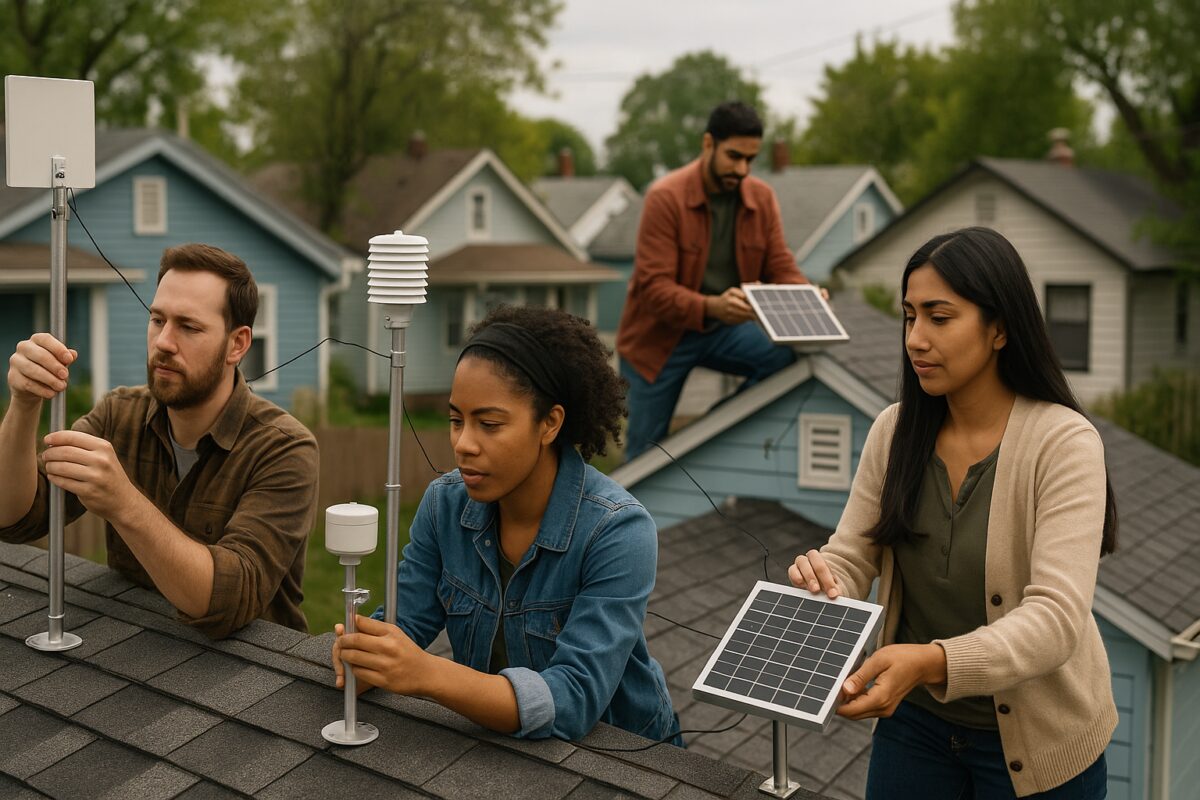
- The Actual Gear: This means the real stuff—Wi-Fi access points, 5G antennas, solar collectors, computer servers, or environmental monitors that people set up. Helium, for instance, showed how everyday folks could put up hotspots to extend Internet of Things and mobile phone reach. Similarly, Filecoin lets people make money from their unused computer storage space.
- The Blockchain Foundation: Blockchain acts as the unchangeable record book and source of trust, carefully noting every exchange, keeping tabs on who provides what, and openly distributing payments. Smart contracts handle these jobs automatically, carrying out service agreements, checking data, and sending out payments without needing a middleman. While some DePIN projects build their own main blockchains, many wisely use fast platforms like Solana to manage the heavy data flow real-world uses require.
- Tokens: The Fuel for Participation: This is what really keeps a DePIN going. Digital tokens are the main way people are motivated to join in. When individuals or groups install hardware, offer up bandwidth or storage, confirm data, or do other vital jobs for the network, they get paid in the network’s own tokens. This “Proof of Physical Work” idea, or something like it, is key to getting a network started. It creates a positive loop: more people join, the network becomes more useful, which can make the token more valuable, drawing in even more people. These token systems can be quite advanced, sometimes using “burn-and-mint” setups where tokens are removed from circulation when services are used, which can reduce supply and potentially increase the token’s worth.
- People Power & Shared Decisions: At their heart, DePINs are all about the community. This includes those who supply the hardware, the people using the network’s offerings, the developers creating new tools, and the token owners who help steer the network, often through groups called Decentralized Autonomous Organizations (DAOs). DAOs give everyone with a stake a voice in choices about network improvements, setting changes, and how funds are used, making sure the network grows in a way the community wants.
DePINs vs. Old-School Infrastructure: A Different Approach
The difference from the usual centralized way of doing things is quite clear:
- Who’s in Charge?: Big companies or governments usually control traditional infrastructure. DePINs push for community control and shared decision-making, which reduces the risk of one point of failure or censorship.
- Money & Getting Things Done: Centralized systems need huge amounts of money upfront. DePINs, by gathering resources from many and often using equipment that’s not fully busy, can dramatically lower the costs to build and run things. Smart contracts also make things run smoother by automatically managing resources and adjusting to what’s needed.
- Staying Strong & Safe: A network spread out among many is naturally tougher; if some parts go down, the whole thing doesn’t usually collapse. The openness and unchangeable nature of blockchain also make things more secure.
- Openness & New Ideas: DePINs want to make essential services available to more people, possibly helping to connect areas that are currently left out. Because these networks are open, they encourage anyone to innovate, letting developers create new things on top of the shared system.
The Growing DePIN World: What’s Happening Where
DePIN is expanding, with notable projects appearing in many areas:
- Wireless (DeWi): Helium led the way, encouraging people to build decentralized networks for IoT devices and 5G.
- Storing Data: Filecoin and Arweave present strong, scattered options instead of centralized cloud storage; Arweave specifically aims for keeping data safe forever.
- Computing Power: Render Network offers shared graphics processing unit (GPU) muscle for digital art and AI. Akash Network is a marketplace for general cloud computing, often much cheaper than standard services.
- Sensor Grids: Hivemapper is building maps by paying users who collect street views with dashcams. DIMO lets car owners gather and use data from their vehicles.
- AI-Connected DePINs: As AI grows, projects like Bittensor (for training AI models together) and Grass (for gathering AI data) are becoming important, showing how AI and decentralized systems can work together.
- Power Grids: Decentralized energy systems allow local groups to create, share, and sell renewable power amongst themselves.
Facing the Obstacles: What Stands in the Way of Widespread Use
Even with all its promise, the DePIN field has big challenges:
- Growing Pains: Managing lots of transactions and data as networks get bigger is a top worry. Solutions like Layer 2 systems (e.g., rollups) and DePIN-focused designs like IoTeX’s W3bstream are being actively worked on and put into use to tackle this.
- Hardware Setup & Service Standards: Getting a widespread network of hardware providers coordinated and keeping service quality high without a central boss is a tricky problem, both practically and technically.
- Foggy Rules: The laws around DePINs and their tokens aren’t clear in many places. We need definite rules about whether tokens are securities, utilities, or something else, plus guidance on data privacy and how these networks can operate legally.
- Security Holes: While tougher in some ways, DePINs can still suffer from flaws in smart contracts, problems with data feeds (oracles), or someone messing with the physical hardware. Strong security plans, frequent checks, and an alert community are vital.
- Ease of Use & Getting People Onboard: Using DePIN services can feel complicated for everyday people, often needing them to understand crypto wallets and blockchain basics. Making things simpler to use and clearly explaining the benefits beyond just token prices are crucial for wider acceptance.
- Keeping Tokens Valuable & The “Empty Start” Issue: To get a network going, token rewards need to be well-planned to attract the first service providers before many users show up. Making sure the system stays economically healthy long-term and doesn’t just depend on token hype is essential.
A Market Potentially Worth Trillions: Growth and Money Flowing In
By early 2025, the DePIN market is already worth tens of billions of dollars. Analysts think it could hit $3.5 trillion by 2028, and some are even more bullish, suggesting $10 trillion by 2030. This rapid expansion is drawing a lot of investment from venture capitalists, with new funds specifically created to support promising DePIN projects. The way DePINs connect with AI and the tokenizing of real-world things (RWAs) is making investors even more interested.
How DePINs Fit into the Broader Web3 Picture
DePINs don’t operate alone; they connect deeply with other parts of Web3:
- DeFi (Decentralized Finance): This provides the money systems for trading tokens, staking them for rewards, and earning yield, which powers the DePIN economy.
- DAOs (Decentralized Autonomous Organizations): These offer the structures for communities to make decisions together and manage funds.
- NFTs (Non-Fungible Tokens): These can show who owns a piece of physical hardware in a DePIN or give someone rights to use network services.
- Metaverse: DePINs are set to supply the decentralized computing, storage, and internet speed needed to run rich virtual worlds.
Thinking Ethically and Moving Forward
If DePINs become common, we’ll need to think about ethical issues like data privacy, the risk of surveillance if data isn’t handled well, and how traditional jobs might be affected. It’s really important to make sure users have control over their data, that decisions are made openly, and that we consider the environmental effects of the blockchain tech being used.
The path ahead for DePIN looks promising, offering a more democratic, effective, and robust base for the world’s physical infrastructure. As this area develops, solving its current problems will be key to unlocking its power to change industries and give communities more control across the globe. This quiet shift is definitely happening.
