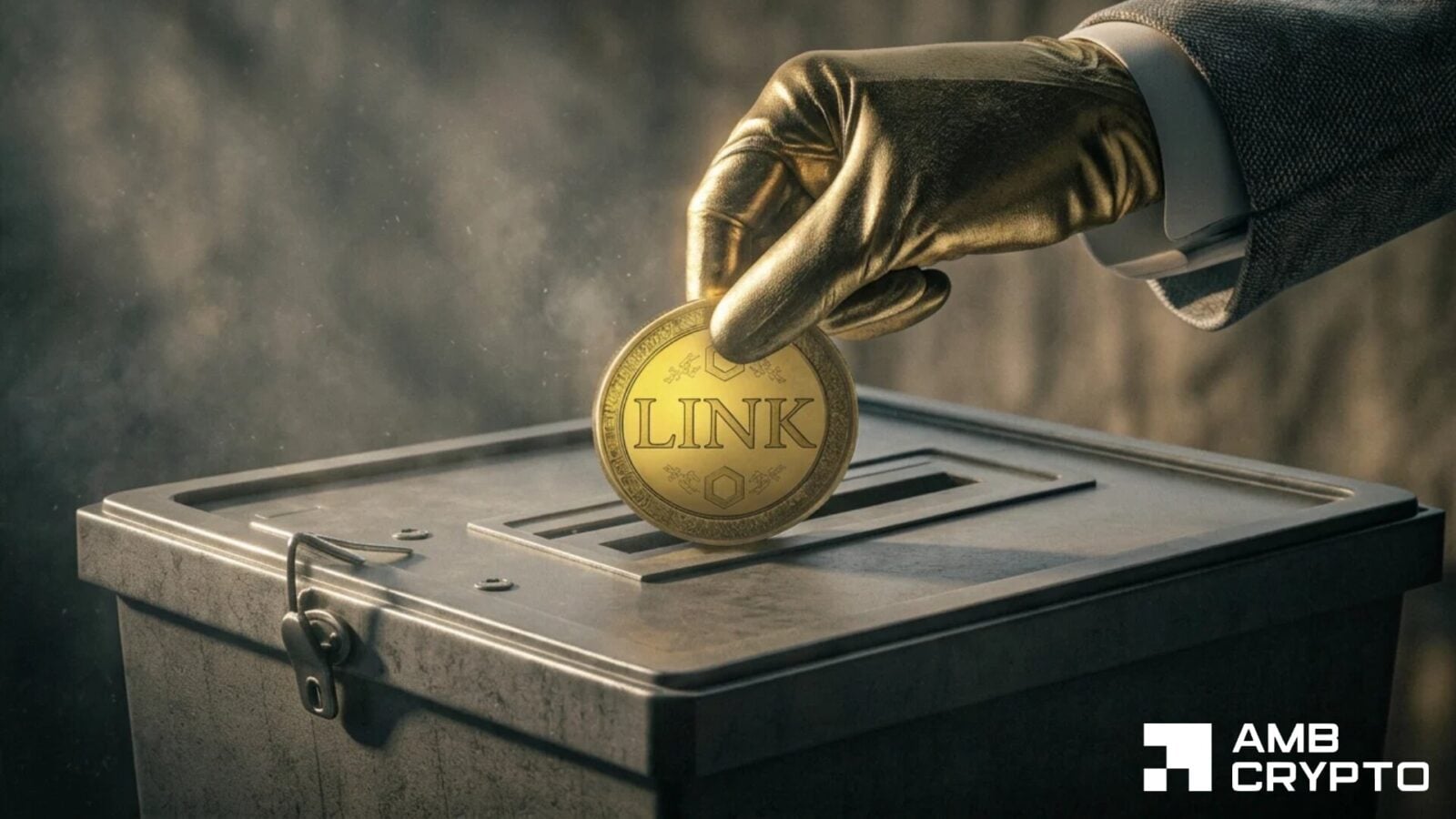
‘Outright grabbed the wallets’ – U.S. Treasury seizes $1B of Iran’s crypto funds
Is crypto purported freedom and 'non-sovereign' features dead?


Bitcoin has long been hailed as a digital safe haven given its scarce, decentralized, and non-sovereign features. But the U.S.-Iran crisis has poked holes in the ‘non-sovereign’ argument for the asset class.
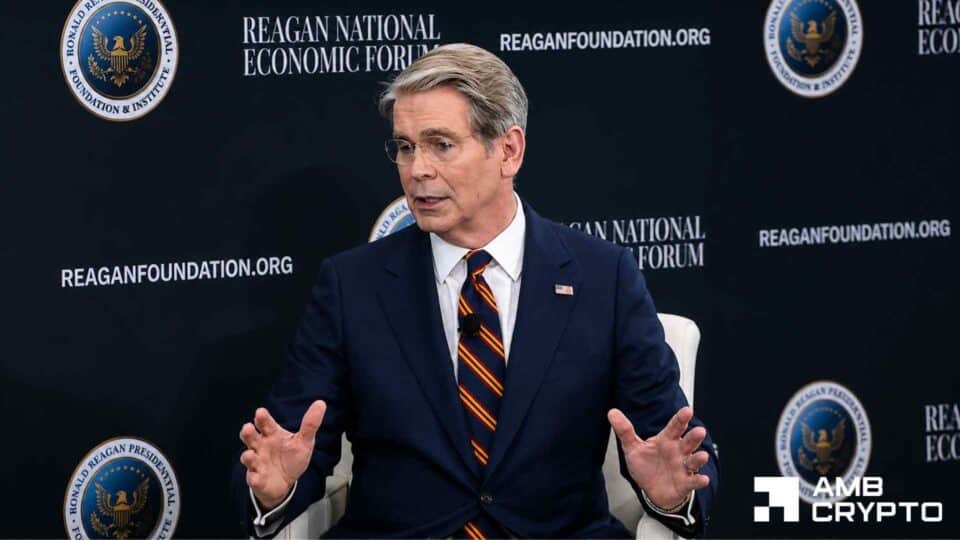
During a recent interview at the Reagan National Economic Forum, U.S. Treasury Secretary Scott Bessent disclosed that,
We’ve seized about $1B of their (Iranian) crypto. Just outright grabbed the wallets. Some of them may be typing right now and may never realize that their wallets have been grabbed.
In April, Secretary Bessent confirmed that they seized $344M of Iranian crypto assets after collaborating with Tether, the stablecoin issuer of USDT.
In fact, Bessent vowed to “target all financial lifelines” of the Iranian government as part of the U.S. pressure to bring it into an agreement on the West Asia crisis.
Separately, TRM Labs confirmed that the frozen wallets were linked to the Bank of Iran and some of the country’s military proxies in Lebanon. So, the U.S. likely moved to target what it deemed as ‘terrorist financing’ and exert diplomatic pressure on Iran.
Additionally, the frozen USDT could explain why Iran briefly explored BTC tolls for ships passing through the Strait of Hormuz.
Increased privacy calls after Iran crypto seizure
But it’s increasingly becoming clear that opting for BTC as a hedge against government seizure is a zero-sum game. For example, in 2025, the U.S. government seized $13B worth of BTC (127,000 coins) linked to a Cambodian conglomerate that was reportedly conducting fraud.
For Iran, nearly half of its $8 billion crypto volume is dominated by the government, and they are increasingly heavy on BTC. Hence, Bessent’s recent disclosure further reinforced that no crypto assets, including BTC, are far from the reach of U.S. government sanctions.
What if the BTC is not linked to any criminal activity, and the government still targets you for having contrarian opinions or questioning authority?
It’s worth pointing out that even major asset managers like BlackRock have been pitching BTC as a ‘unique diversifier’ and geopolitical hedge. But current events debunk this framing.
Reacting to Bessent’s comment, analyst Eric Yeung said,
Bessent is proving to the world that cryptocurrencies and Bitcoin provide no confiscation-proof security. True safety comes only from physical #Gold and #Silver that you hold in your own possession.
For others, the only way to fight tyranny is through private crypto like Zcash [ZEC] and self-custody.
Final Summary
- The U.S. Treasury has reportedly “grabbed” $1 billion worth of Iranian crypto assets
- The community is now debating Bitcoin’s ‘non-sovereign’ status amid increasing U.S. sanctions in the space.