‘Same 21 million cap’ – Michael Saylor dismisses ‘paper Bitcoin’ fears
Is 'paper Bitcoin' really a threat to the asset's long-term value appreciation?



Michael Saylor has dismissed claims that Strategy-pioneered “digital credit” model will limit Bitcoin’s [BTC] upside potential and make the $1 million per coin a pipe dream.
Digital credit products such as Strategy’s preferred stock Stretch [STRC] or Strive’s SATA aim to offer stable yields to investors. The firms leverage their Bitcoin holdings behind the scenes to generate shared interest income.
However, these derivative instruments tied to Bitcoin, or what some critics call ‘paper Bitcoin’, could limit the asset’s volatility and historical annual returns. In response, Saylor disagreed,
Our $STRC IPO funded the purchase of 21,021 BTC. Investors bought preferred shares; Strategy bought Bitcoin. Digital credit opens credit markets to Bitcoin. More capital for Bitcoin. Same 21 million cap.
Notably, since STRC debuted last July, Strategy has generated over $10 billion in net proceeds and scooped 122,908 BTC coins.
Are derivatives really reducing Bitcoin’s annual returns?
The impact of the ‘paper Bitcoin’ debate started on Monday, the 5th of October. According to analyst Luke Gromen, Bitcoin’s cycle returns have steeply declined from triple digits to double digits. And the trend coincided with the launch of new derivatives.
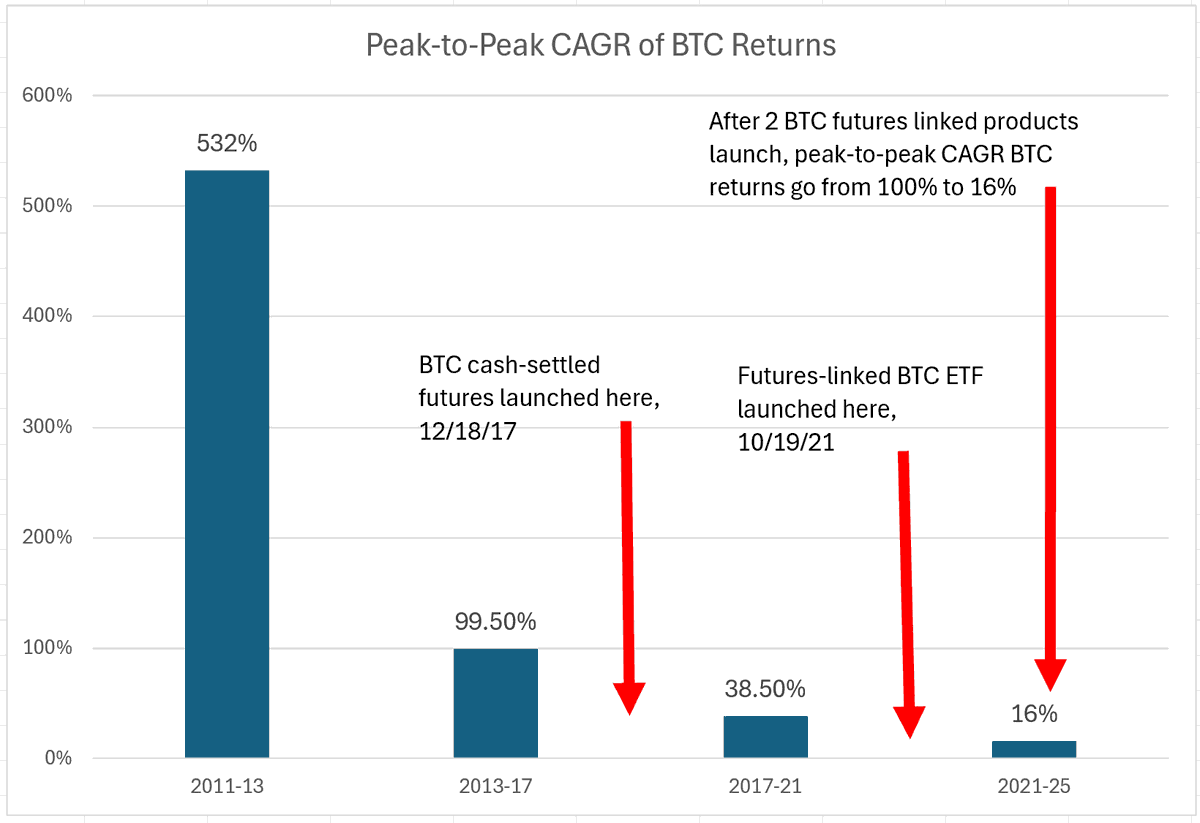
According to him, the growth of the so-called “digital credit” would further affect BTC returns, warning users to study the “credit gold” that began in London in the 80s.
He worries that most of the derivatives are “cash settled” and not “BTC settled,” meaning that the trade does not need physical BTC supply and demand.
But Vetle Lunde, Head of Research at K33 Research, downplayed the risk.
Open interest in cash-settled perp and expiry futures reflects roughly 2% of BTC’s circulating supply; futures-linked ETFs reflect a minor portion of that OI(Open Interest).
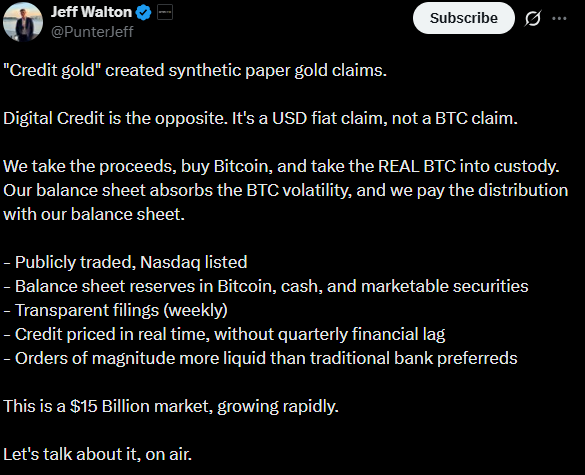
On digital credit fears, Jeff Walton, Chief Risk Officer at BTC treasury firm Strive, countered that they still have verifiable physical BTC.
This isn’t the first time ‘paper Bitcoin’ worries have been raised. In 2024, similar claims were leveled against Coinbase’s wrapped Bitcoin and spot BTC ETF settlements.
Even so, most of the analysts appeared to agree that BTC’s shrinking returns and volatility are tied to growing institutional adoption and are positive signs. Saylor added,
Declining CAGR is consistent with a maturing asset; it doesn’t prove fiat control. Derivatives can influence price, but they can’t change Bitcoin’s supply cap. My thesis remains growing adoption of scarce digital capital.
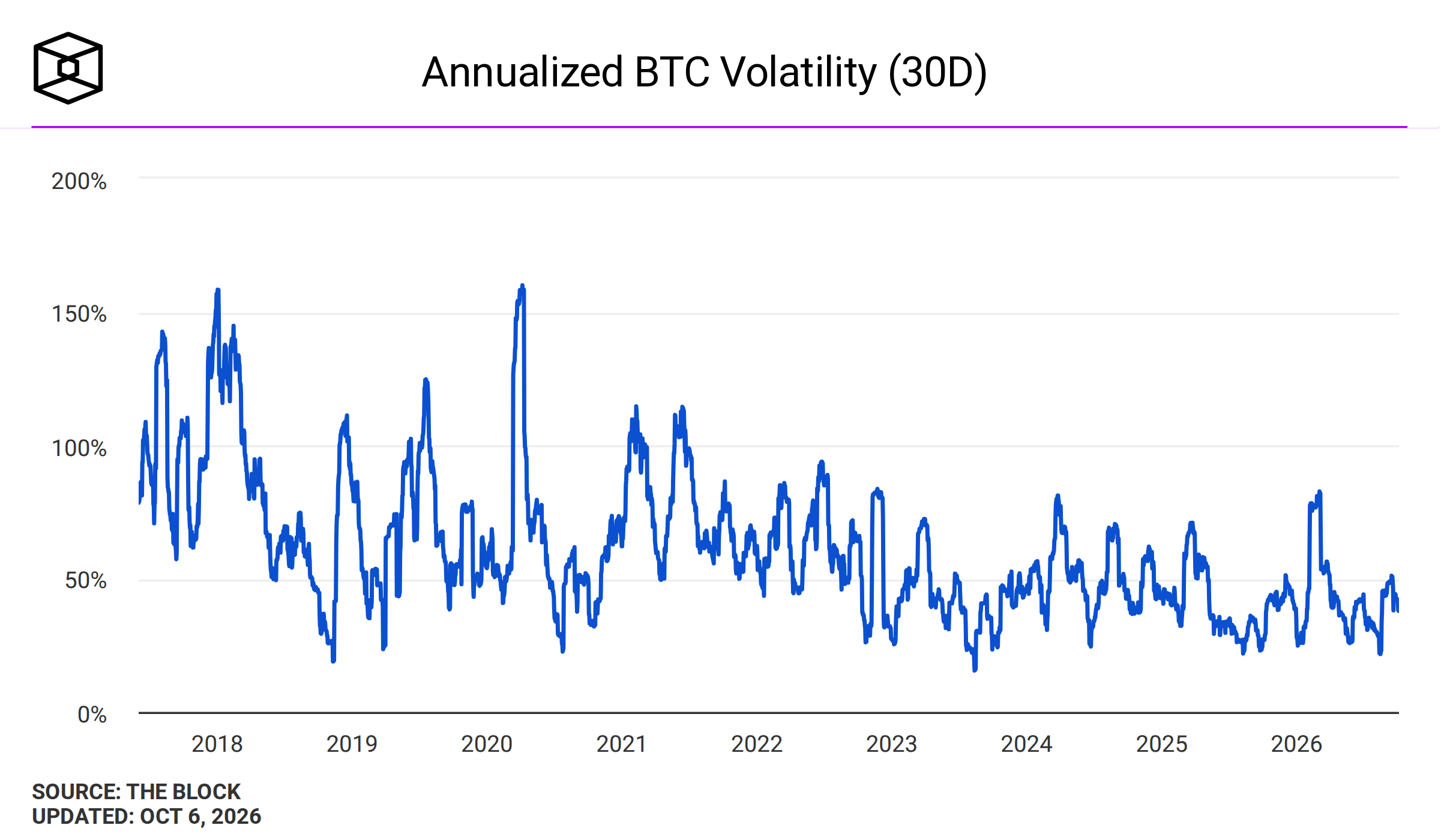
Bitcoin’s volatility has also dropped from 150% to 50% since 2018, further cementing the growing adoption thesis.
In fact, CryptoQuant’s CEO also shared a similar outlook, noting that the asset could modestly rally 3x-5x this cycle amid strong institutional uptake. Overall, BTC’s shrinking wild swings and returns may have little to do with derivative products.
Final Summary
- Saylor defended ‘digital credit’ as a demand driver for physical BTC
- BTC cycle returns have dropped from +500% to sub-50% as analysts blamed derivatives, including digital credit like STRC.