Singapore proposes 100% reserve standard for stablecoins – Will issuers adapt?
Singapore’s stablecoin proposal could reshape competition through stricter standards and regulatory recognition.



Singapore is establishing strict boundaries on the type of stablecoin that will be allowed to bear the government’s regulatory seal.
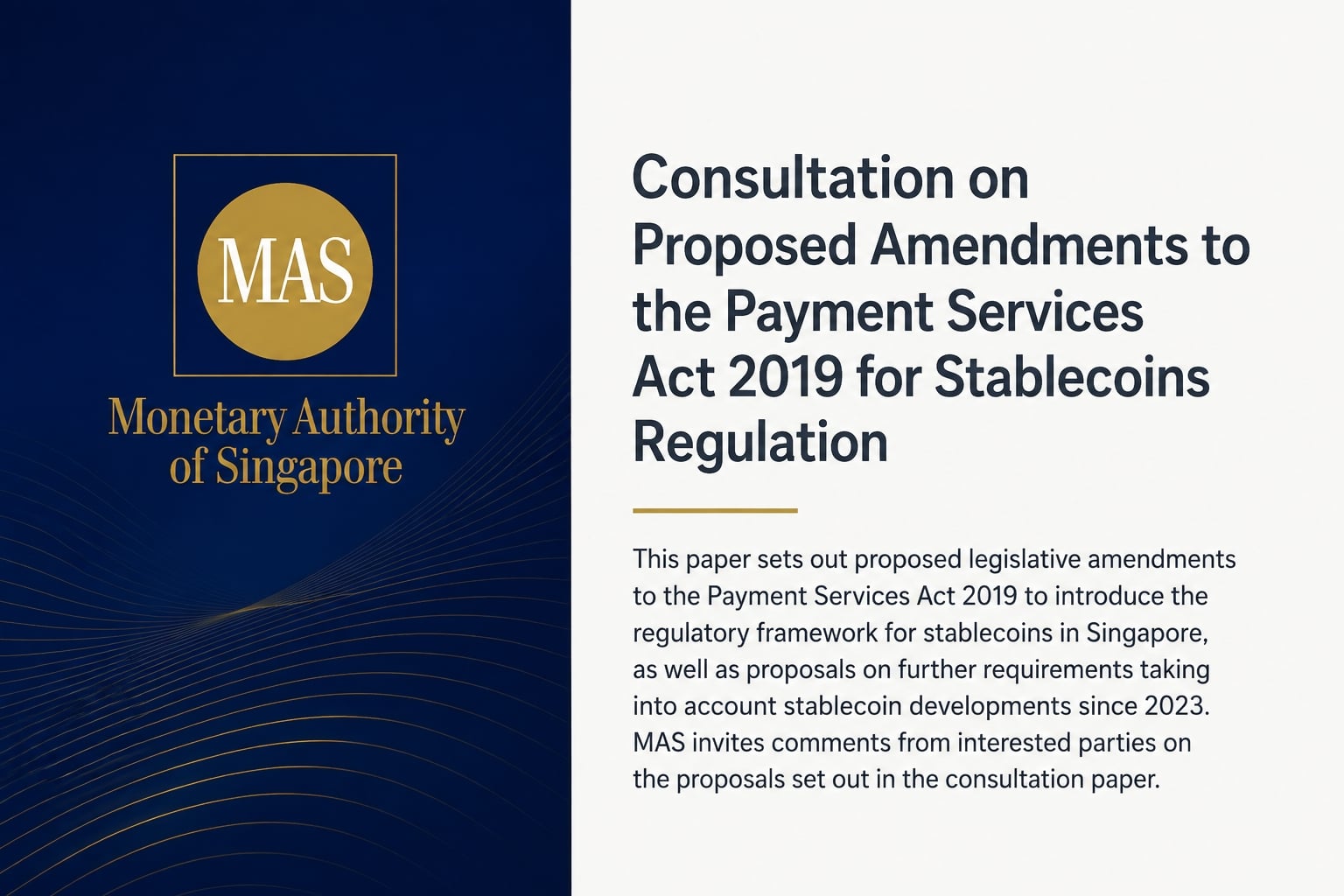
The Monetary Authority of Singapore (MAS) has proposed licensing Singapore-based issuers of qualifying single-currency stablecoins under the Payment Services Act.
To qualify, issuers would have to keep at least 100% of the value of all outstanding tokens in reserve. Still, they will have to segregate their assets from other accounts and perform a valuation each day.
Redemptions by holders are expected to occur within five business days, thereby increasing investor confidence when markets become unstable.
Additionally, issuers will require minimum net tangible assets of $1 million or greater than 50% of the previous year’s total revenue. A key difference between this new regulation and MAS’ existing digital payment token framework is that qualified stablecoin issuers face stricter standards.
A benefit of this stricter regulatory environment may include increased legitimacy. However, issuers wishing to obtain a Singaporean regulatory stamp may experience an increase in barriers to entry.
Stablecoin reserves face stricter test
Such a stricter framework will move reserve quality rather than just reserve quantity to the forefront of stablecoin competition.
The U.S. dollar-pegged USD Coin [USDC] has already been very similar to Singapore’s proposed structure. This is because it is almost exclusively held in the form of cash, U.S. Treasury securities, and Treasury repos.
Tether [USDT] also holds its reserves at over 100% levels. Yet, Bitcoin [BTC], gold, and other investments create much broader differences in terms of compliance for each issuer.
Therefore, issuers who have relatively simple, highly liquid reserves would be able to transition to meet this new requirement quicker.
Meanwhile, those who would need to make changes in their holdings could take longer. They may also potentially adjust their process for redeeming their products before being qualified under this new regime.
Therefore, issuers with simpler, highly liquid reserves could adapt faster, while others may need to restructure holdings and redemption processes before qualifying.
MAS label faces adoption test
The market test begins once compliant stablecoins compete for actual users and liquidity. XSGD enters with roughly $12 million circulating, far behind USDT and USDC.
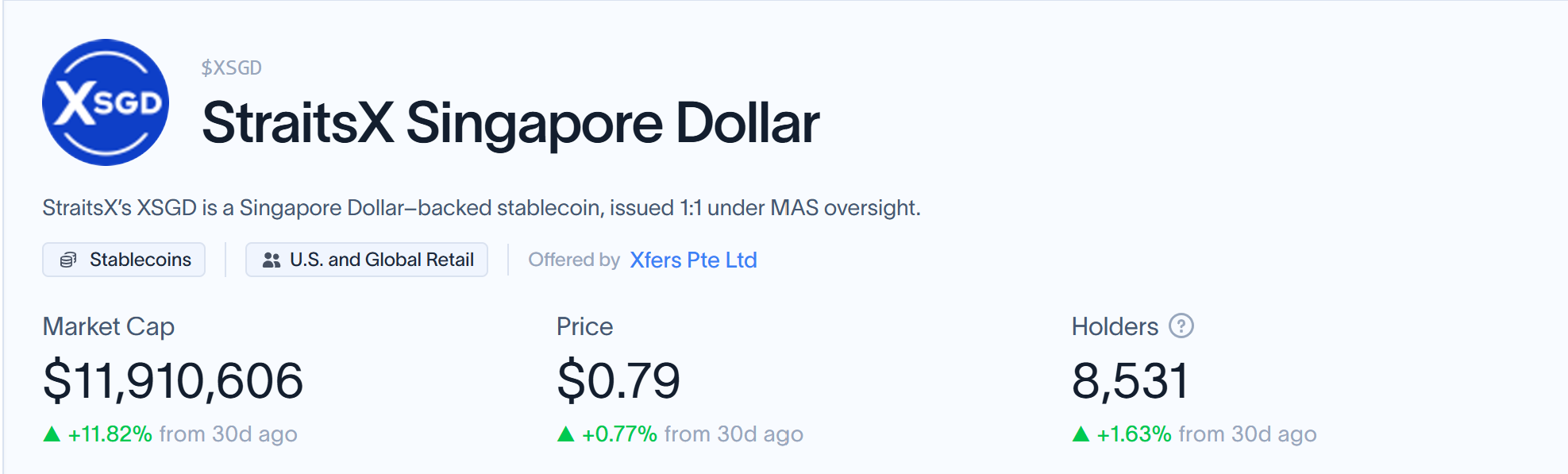
The MAS-regulatory stamp of approval on eligible local tokens could be an advantage to those tokens operating within Singapore’s regulated space.
This could help attract exchanges, businesses, and users looking for stablecoins being operated within a clearly defined set of safeguards.
Still, USDT and USDC already command deeper liquidity, broader integrations, and stronger global network effects. Regulatory credibility must therefore translate into actual usage before it can challenge those advantages.
Once licensing begins, trading volumes and market share will provide that evidence. Sustained growth would show whether Singapore’s regulatory seal can meaningfully influence where stablecoin liquidity flows.
Final Summary
- Singapore’s stablecoin rules could favor fully backed issuers with liquid reserves and reliable redemptions.
- MAS-regulated stablecoins could gain credibility, but adoption must overcome USDT and USDC’s liquidity advantage.