Stablecoin yield ban emerges as flashpoint in new U.S. crypto bill
A new U.S. crypto market structure draft has sparked a fight between banks and crypto firms over proposed restrictions on stablecoin yield payments.


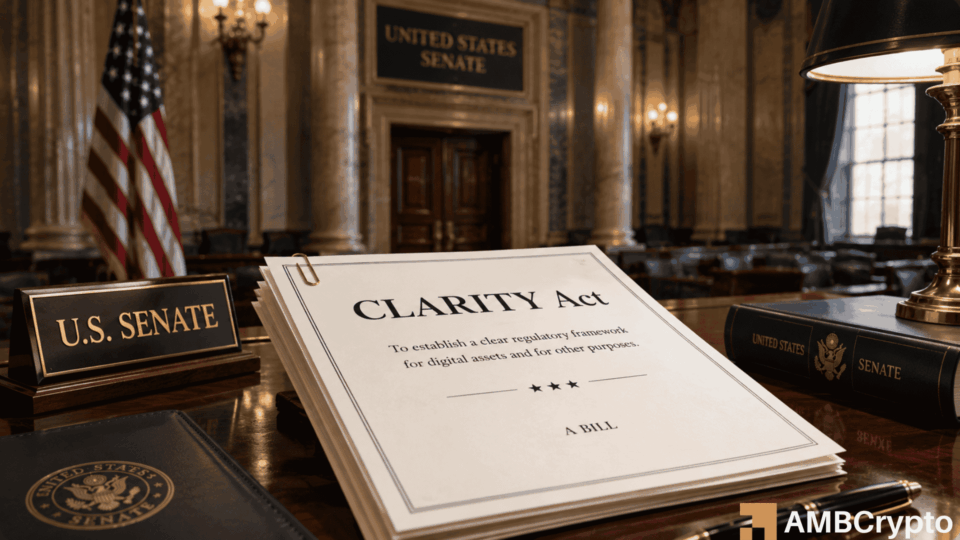
A newly released draft of the U.S. crypto market structure has intensified the fight between banks and the digital asset industry. Lawmakers proposed restrictions on stablecoin yield payments while expanding legal protections for broader crypto activity.
The bill attempts to create clearer rules for digital assets, exchanges, stablecoins, decentralized finance, and self-custody wallets.
However, one section has quickly become the central battleground: a proposed ban on interest or yield payments tied to payment stablecoins.
The provision would prohibit issuers and digital asset service providers from offering interest-like returns to U.S. users simply for holding payment stablecoins.
The debate has already sparked public clashes between banking groups, crypto executives, and lawmakers.
Banks push back against stablecoin competition
American Bankers Association recently urged banking executives to lobby lawmakers over stablecoin legislation, warning that stablecoins could pull deposits away from traditional banks.
Banks fear yield-bearing stablecoins could function like blockchain-based savings accounts while bypassing parts of the traditional banking system.
That concern appears reflected in the bill’s stablecoin provisions.
While the draft restricts passive “idle yield” tied solely to holding stablecoins, it still allows certain activity- or transaction-based rewards that do not function like deposit interest.
The distinction could allow crypto firms to continue offering loyalty incentives or usage rewards while preventing stablecoins from directly competing with interest-bearing bank deposits.
Crypto industry says banks already won major concessions
Crypto executives and pro-crypto lawmakers argue that the industry has already made significant compromises to move legislation forward.
Paul Grewal recently responded to criticism from banking groups by stating:
“You got idle yield killed.”
Bernie Moreno also accused the banking industry of trying to preserve its control over deposits and payment infrastructure through lobbying pressure.
The conflict highlights growing competition between banks and blockchain-based payment systems as stablecoins move deeper into mainstream finance.
Bill offers broader crypto protections
Despite the stablecoin restrictions, the draft includes several provisions viewed as favorable to the crypto industry and retail users.
The bill:
- creates legal categories for network tokens and digital commodities,
- provides clearer registration pathways for crypto firms,
- and protects lawful self-custody through self-hosted wallets.
The legislation also attempts to reduce uncertainty around secondary-market token trading, an issue that has fueled years of disputes between crypto firms and regulators.
At the same time, the bill expands anti-money laundering, sanctions, and compliance obligations for digital asset intermediaries.
Retail users may gain clarity but lose easy yield
For retail users, the bill creates a mixed outcome.
Consumers could benefit from:
- clearer legal status for digital assets,
- stronger reserve and disclosure requirements,
- and broader access to regulated crypto services.
However, users may lose one of the biggest advantages stablecoins offered during recent years: simple passive yield opportunities outside the banking system.
That tradeoff appears central to the ongoing negotiations in Washington.
The broader debate now centers on whether stablecoins should evolve into open blockchain-based financial products or remain tightly constrained digital payment tools operating alongside the traditional banking system.
Final Summary
- A new U.S. crypto bill would restrict passive yield on payment stablecoins while expanding broader crypto market protections.
- Banks support the limits, while crypto firms argue the provisions weaken one of stablecoins’ biggest retail advantages.