Why Movement Labs’ $41.4M fundraising failed to prevent bankruptcy
Movement Labs filed for Chapter 11 as weak adoption and low network activity weighed on the MOVE blockchain.



Movement Labs has formally filed for Chapter 11 bankruptcy, marking a major turning point for the developer behind the Movement blockchain.
Court filings with the U.S. Bankruptcy Court for the District of Delaware show the company sought protection on the 15th of July. According to the filing, the firm had approximately $100,000-$500,000 in assets and over $1 million in liabilities at the time it entered into the bankruptcy protection process.
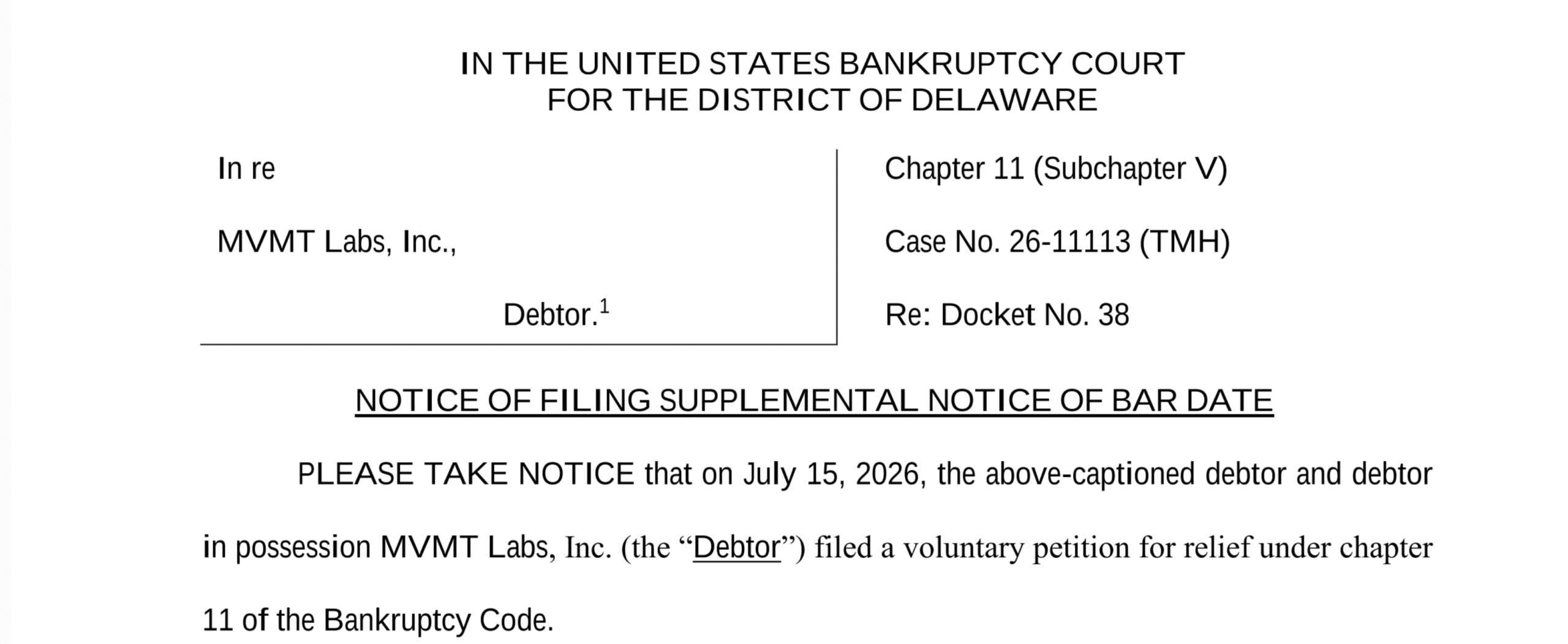
The estimated assets and liabilities highlight mounting financial strain after months of operational and governance challenges. The MOVE token market-making controversy, an internal investigation, and Binance’s ban on the related market-making account further weakened confidence.
Additionally, Movement Labs severed ties with co-founder Rushi Manche. In addition to uncertainty about future leadership, the severance raises questions about how Movement Labs intends to rebuild confidence within its community.
However, financial restructuring alone will not restore confidence. Lasting recovery depends on rebuilding trust across the broader Movement ecosystem through consistent execution.
Growth lagged despite substantial fundraising
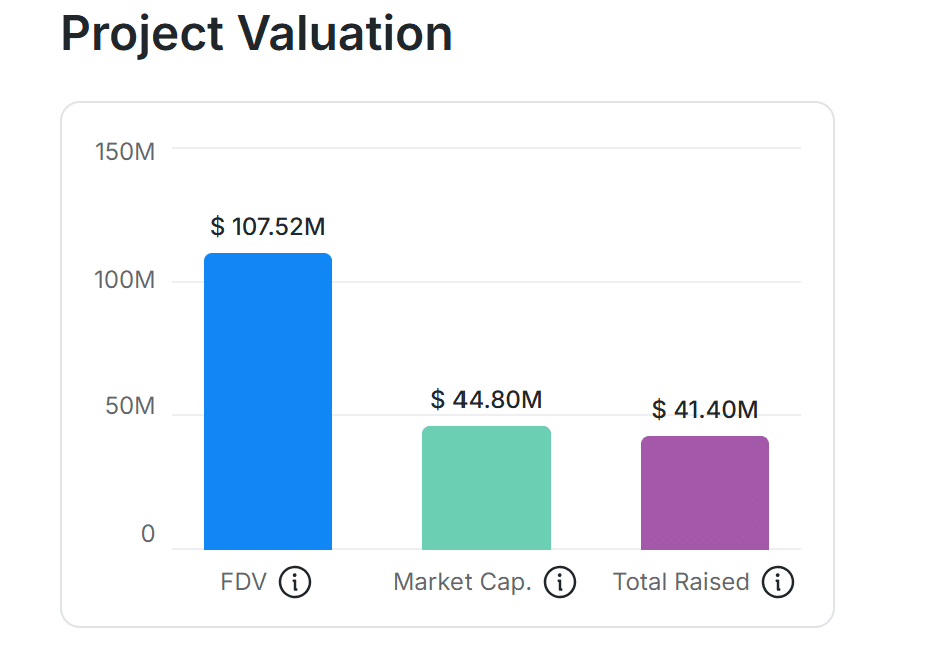
The bankruptcy filing also provides context for how Movement Labs’ funding translated into ecosystem growth. While the project raised an estimated $41.4 million, developer activity and ecosystem expansion remained relatively limited throughout its development.
GitHub commits and contributor growth showed little sustained acceleration, while grants and incentives generated only modest user and dApp adoption. As development slowed, the funding primarily extended the project’s operating runway rather than strengthening network participation.
That pattern became clearer when Chapter 11 filings listed $100,000-$500,000 in assets against liabilities of up to $10 million. Together, those figures prove that fundraising alone could not offset weak ecosystem growth. As a result, this left the project increasingly dependent on capital instead of sustained network activity.
Weak network activity limited economic growth
Movement Labs’ financial challenges also reflected a deeper weakness in its underlying network economy. Daily app revenue has remained below $800 since November, while chain fees fell to just $1 over the past 24 hours.
These figures indicate users interacted with the network far too infrequently to create sustainable economic activity.
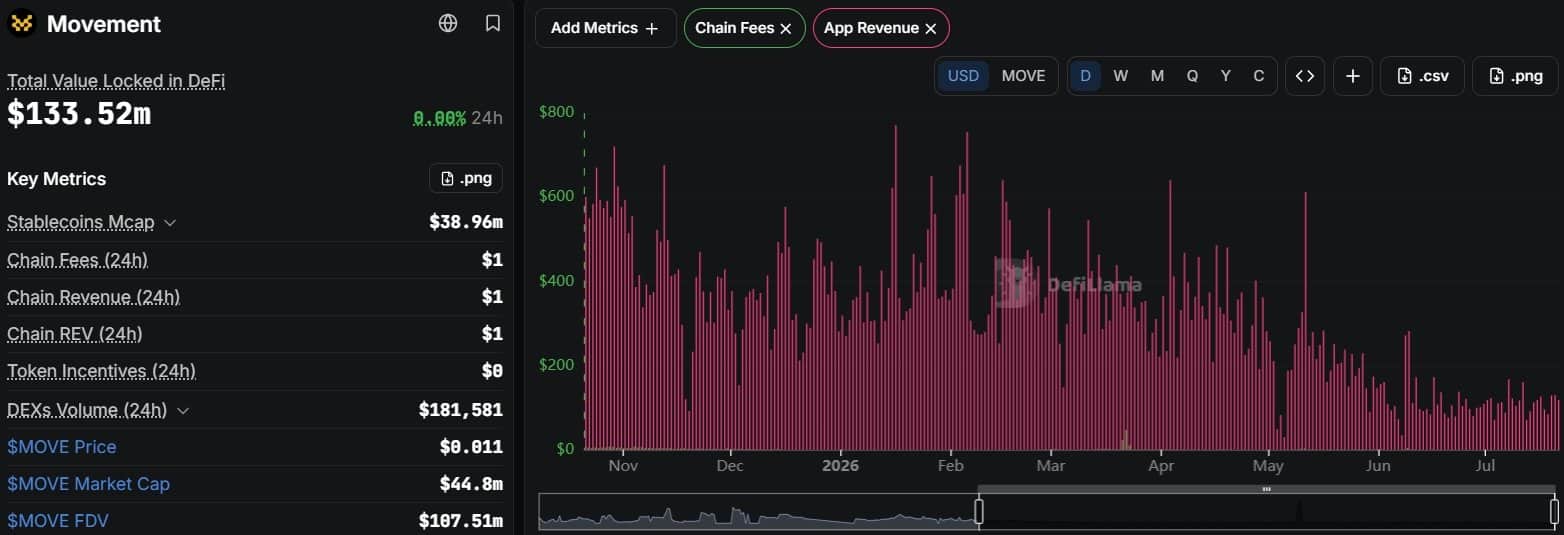
That weak demand also weighed on market confidence, pushing MOVE’s fully diluted valuation down more than 99% to $107 million.
Rather than pointing to a temporary slowdown, the declining revenue and fee trends indicate the ecosystem struggled to support itself once funding stopped driving growth.
Taken together, Movement Labs leaves behind an ecosystem that never achieved the scale needed to sustain long-term growth. This reinforces the fact that lasting blockchain success depends on sustained network activity, not capital alone.
Final Summary
- Movement Labs entered Chapter 11 after limited network activity failed to establish a sustainable on-chain economy.
- Movement demonstrated that strong fundraising alone cannot compensate for weak ecosystem growth and sustained user adoption.